Seed Saving & Breeding
Personal Homestead
Growing and saving non-hybrid seeds for local adaptation
🌱 What is Seed Saving?
Seed saving is the practice of growing plants, harvesting their seeds, preserving them properly, and planting them in future seasons. It's a fundamental skill that connects us to thousands of years of agricultural tradition and creates true food security.
- Growing plants to full maturity and seed production
- Harvesting seeds at the right time for maximum viability
- Proper drying and storage to maintain germination rates
- Planting saved seeds in subsequent seasons
- Building a personal seed bank over time
🔄 Why Only Non-Hybrid (Open-Pollinated) Seeds?
Not all seeds can be saved successfully. Seed saving only works with non-hybrid, open-pollinated varieties - also called heirloom or heritage varieties. These are seeds from stabilized varieties that have been naturally selected over at least 6 generations.
What Makes Heritage Varieties Special
Heritage varieties are homozygous plants - both alleles for each gene are the same. They naturally cross-pollinate only with similar varieties through pollinators, which maintains their stable characteristics. This is essentially inbreeding, but it creates reliability.
- Stabilized through natural selection over many generations
- Self-pollinating or pollinating with identical varieties
- Consistent traits passed to offspring
- Adapted to local conditions over time
- Can be saved and replanted indefinitely
The Problem with Hybrid (F1) Seeds
Hybrid seeds are created by crossing two different stabilized varieties. While the first generation (F1) can have exceptional traits, their offspring don't breed true - you can't save their seeds successfully.
- Created by crossing two different parent varieties
- F1 generation shows hybrid vigor (better yields, disease resistance)
- Uniform appearance and timing
- Seeds from F1 plants produce unpredictable offspring
- Forces dependency on seed companies each year
💪 Benefits of Seed Saving
Seed saving offers advantages that go far beyond just getting free seeds. It's about resilience, biodiversity, and breaking dependency on industrial seed systems.
Self-Sufficiency & Independence
By creating your own seed bank, you become independent from large seed companies. You're no longer buying seeds every season - you're stewarding your own genetic resources.
- Build a personal seed library adapted to your conditions
- No annual seed purchases required
- Share seeds with community members
- Preserve rare varieties that aren't commercially available
Ecological Benefits
From a permaculture and ecology perspective, heritage seeds are closer to nature. They require less energy and resources to produce, and they maintain biodiversity rather than reducing it.
- No need to maintain two parent varieties in parallel
- Much less energy and effort required
- Increases ecosystem biodiversity
- Doesn't introduce sterility into the ecosystem
- Adapted varieties perform better in local conditions
Creating Your Own Varieties
Over time, seed saving allows you to develop your own stabilized varieties perfectly adapted to your specific microclimate, soil, and growing conditions. This is how heritage varieties were created historically.
- Select for traits that matter to you (flavor, storage, disease resistance)
- Natural adaptation to your specific conditions
- Develop unique varieties over 6+ generations
- Contribute to agricultural biodiversity
🌾 My Seed Saving Practice
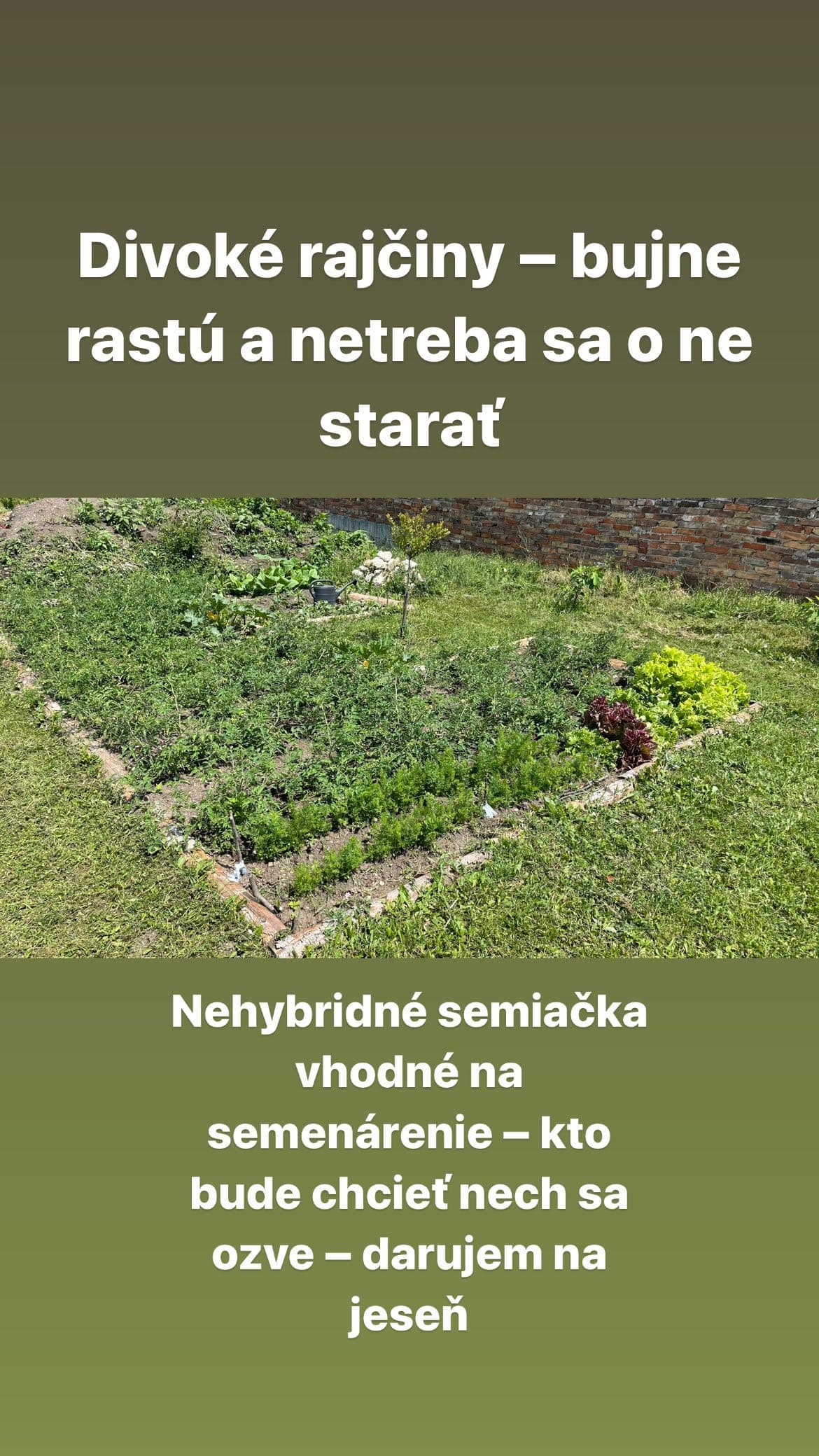
I've been building a seed library focused on heritage varieties that perform well in Central European conditions. Each season, I select the best plants for seed saving, focusing on flavor, resilience, and adaptation to our climate.
- Maintain collection of 20+ heritage vegetable varieties
- Focus on varieties with excellent flavor profiles
- Save seeds from healthiest, most productive plants
- Experiment with rare and forgotten local varieties
- Share seeds with local permaculture community
- Document which varieties perform best in our conditions
🏗 Technologies & Methods
🌊 Impact
Built seed collection adapted to microclimate while maintaining independence from seed companies. Creating true food sovereignty through seed independence and preserving agricultural biodiversity for future generations.