Pond Ecosystem
Personal Homestead
Water storage and wildlife habitat creation
♻️ Multiple Functions in One Element
In permaculture, every element should serve multiple functions. A pond isn't just water storage - it's irrigation reserve, wildlife habitat, microclimate moderator, mud source for beneficial insects, and a classroom for observing nature. That's the power of thoughtful design.
- Water storage for irrigation during dry periods
- Habitat for beneficial wildlife and aquatic life
- Moderates temperature - cools in summer, warms in spring/fall
- Provides mud for nest-building insects like bees
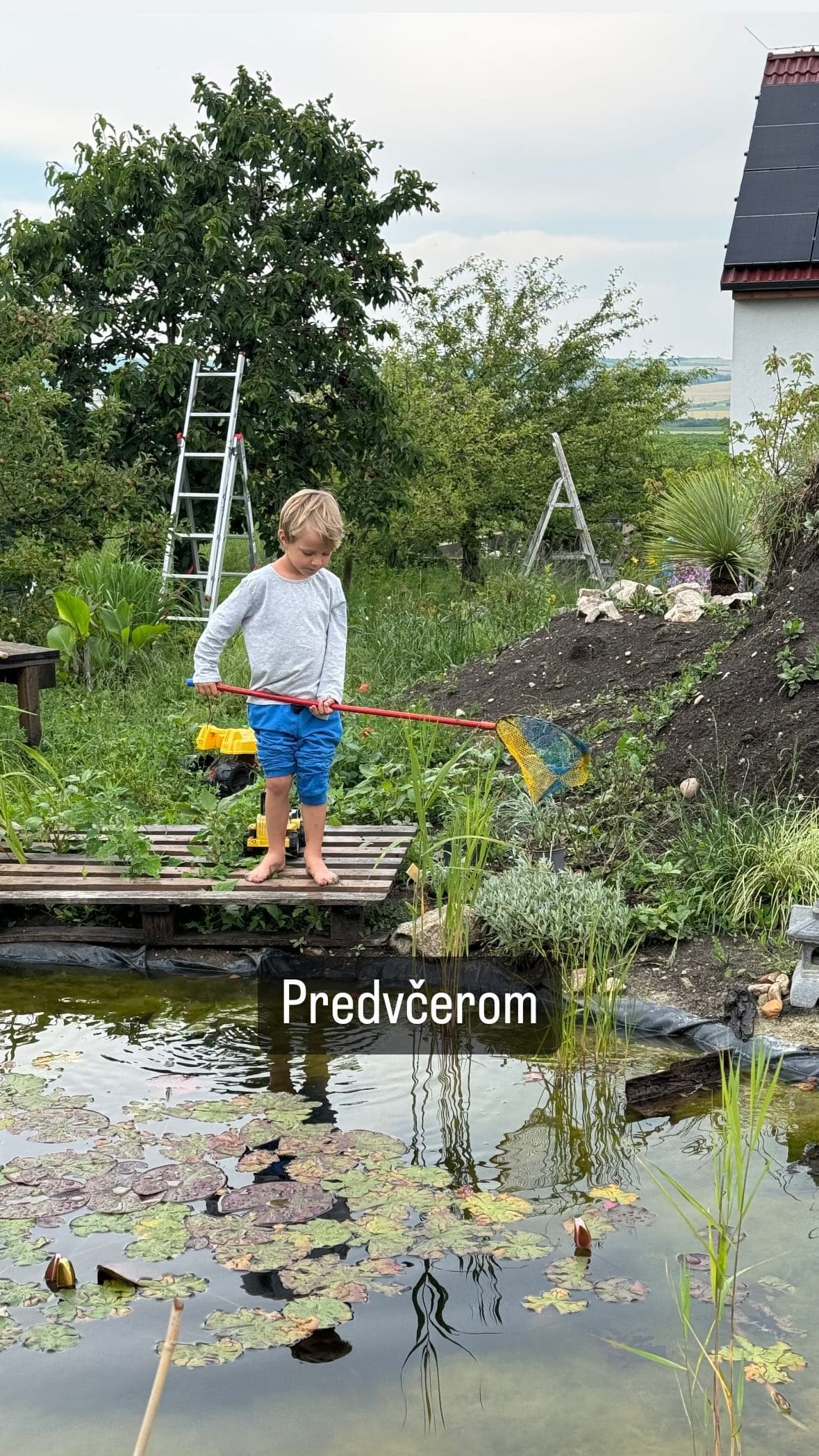
- Creates observation opportunities, especially valuable for children
- Increases overall biodiversity of the homestead
💧 Water Security & Irrigation
The primary function is water storage. Having a pond means irrigation water available when rainfall is scarce. It catches runoff during heavy rains and releases it slowly when garden needs it.
- Stores thousands of liters for dry season
- Gravity-fed irrigation if positioned above gardens
- Reduces dependence on municipal water
- Catches and holds excess rainwater from roof and land
- Water temperature moderates before use (better for plants)
🦆 Wildlife Habitat & Biodiversity
Water attracts life. The pond becomes a hub for beneficial creatures - frogs that eat pests, dragonflies that patrol for mosquitoes, birds that come to drink, bees collecting water. Each addition strengthens the ecosystem.
Aquatic Life
Fish, frogs, newts, and aquatic insects colonize the pond naturally. They create a balanced ecosystem that largely takes care of itself.
Beneficial Insects
The muddy edges are crucial. Bees and other beneficial insects collect mud to build their nests. Dragonflies patrol for mosquitoes. The pond becomes their water source and base of operations.
Birds & Mammals
Water draws birds for drinking and bathing. In dry seasons, the pond becomes a lifeline for all local wildlife. The diversity of visitors increases dramatically.
👨👩👧👦 A Living Classroom
For children, a pond is endlessly fascinating. Observing insects, tadpoles transforming into frogs, dragonflies hunting, water striders skating across the surface - it's direct contact with life cycles and ecological relationships that no book can replicate.
- Safe space to observe aquatic life up close
- Watch seasonal changes and life cycles
- Learn about food chains and predator-prey relationships
- Develop patience and observation skills
- Connects children to nature's rhythms
- Creates lasting memories of wonder and discovery
✏️ Design & Construction
Pond design requires thinking about more than just digging a hole. Location, size, depth, edges, and overflow all matter for creating a functional, self-sustaining ecosystem.
- Positioned to catch runoff and maximize sun exposure
- Varied depths - shallow edges for wildlife access, deeper center for fish
- Gentle slopes allowing creatures to enter and exit safely
- Planted edges with native water-loving plants
- Overflow system to prevent flooding during heavy rain
- Natural liner or clay seal (avoids plastic if possible)
- Allow time for ecosystem to establish and balance
📚 What I've Learned
Building and maintaining a pond has taught me lessons about patience and ecosystem dynamics:
- Ponds take time to balance - first year often has algae blooms
- Patience is essential - ecosystem establishes slowly
- Wildlife finds water remarkably quickly on its own
- Muddy edges are features, not problems (bees need them)
- Deeper zones prevent complete freezing in winter
- The pond becomes center of activity on hot summer days
- Children's connection to nature deepens dramatically with pond access
- Multiple benefits from single element is permaculture in action
🏗 Technologies & Methods
🌊 Impact
Water security for irrigation while dramatically increasing biodiversity and ecosystem health. Created living classroom for children to observe aquatic life and ecological relationships. Demonstrated how single element serving multiple functions strengthens overall system resilience.