Greenhouse
Personal Homestead
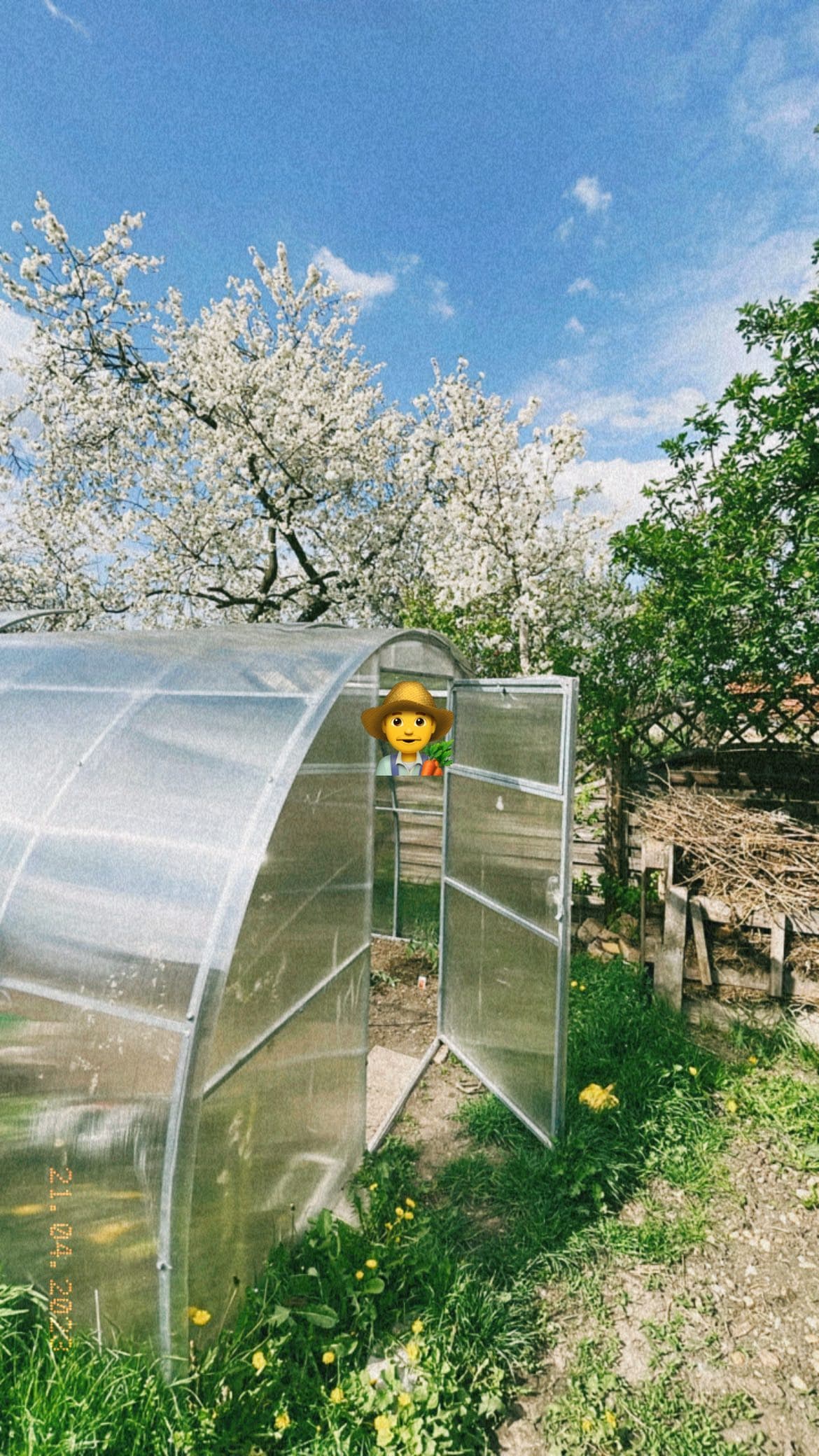
Protected growing space for year-round production
🌱 More Than Just Season Extension
A greenhouse is a perfect example of permaculture's principle that every element should serve multiple functions. It's not just a structure for growing plants - it's a microclimate generator, seedling nursery, winter food source, and even potential heat source for adjacent spaces.
- Extends growing season by months on both ends
- Protects heat-loving crops from cold nights
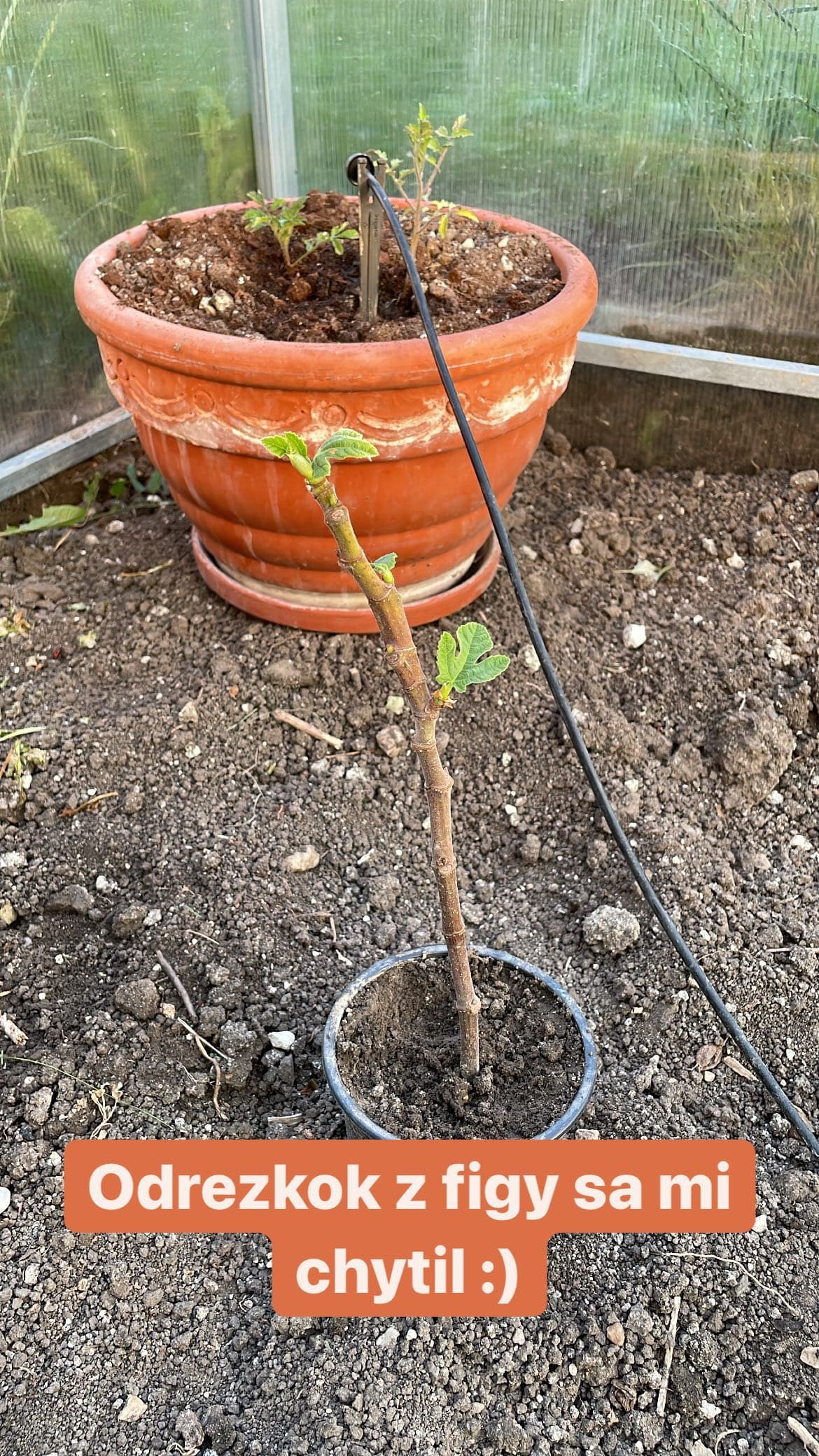
- Serves as nursery for seedling propagation
- Creates warm microclimate for starting seeds early
- Can warm adjacent structures (principle: greenhouse heats plants AND chickens)
- Provides work space during rain and cold weather
- Acts as thermal mass moderating temperature swings
📅 Season Extension in Practice
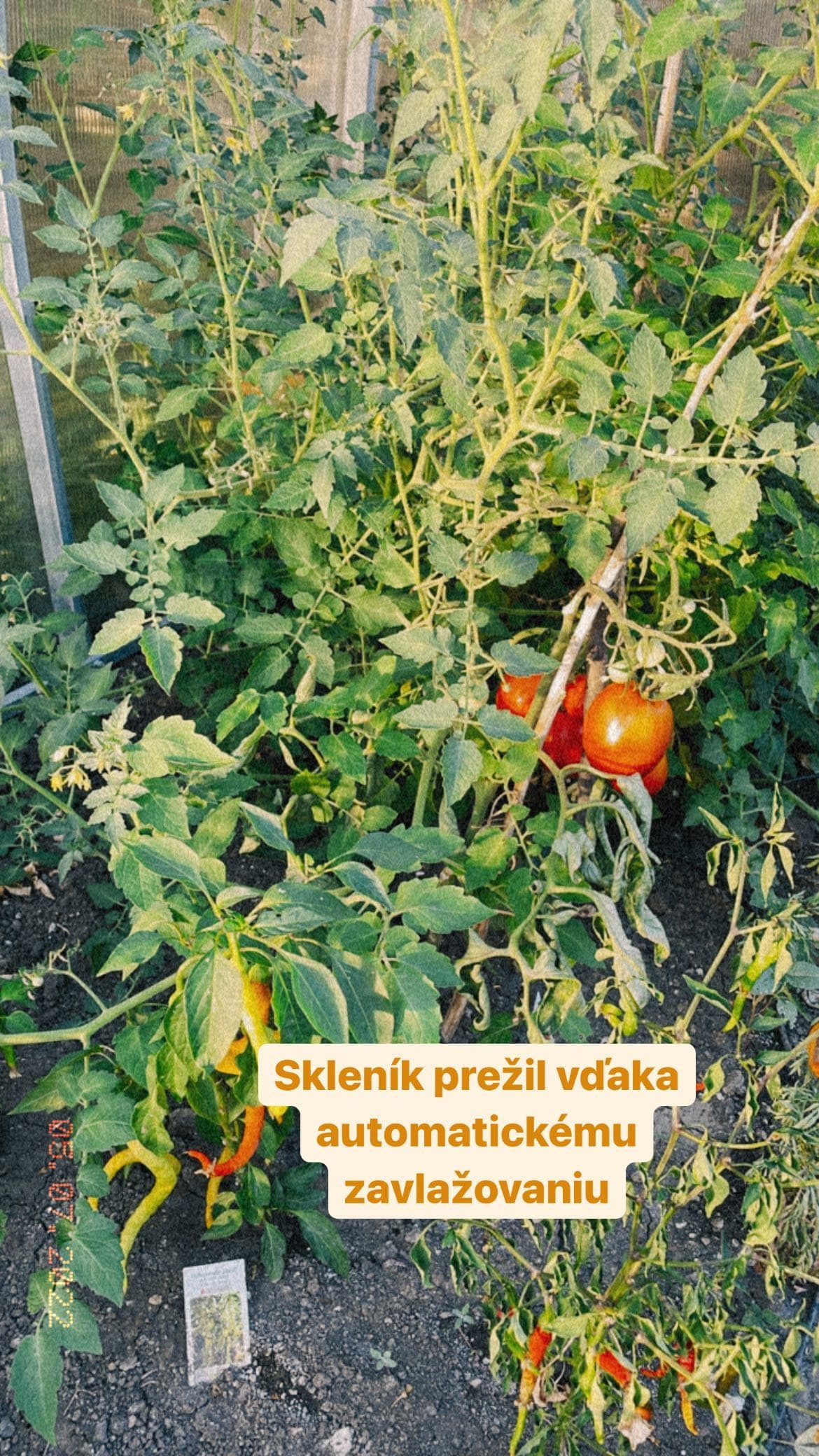
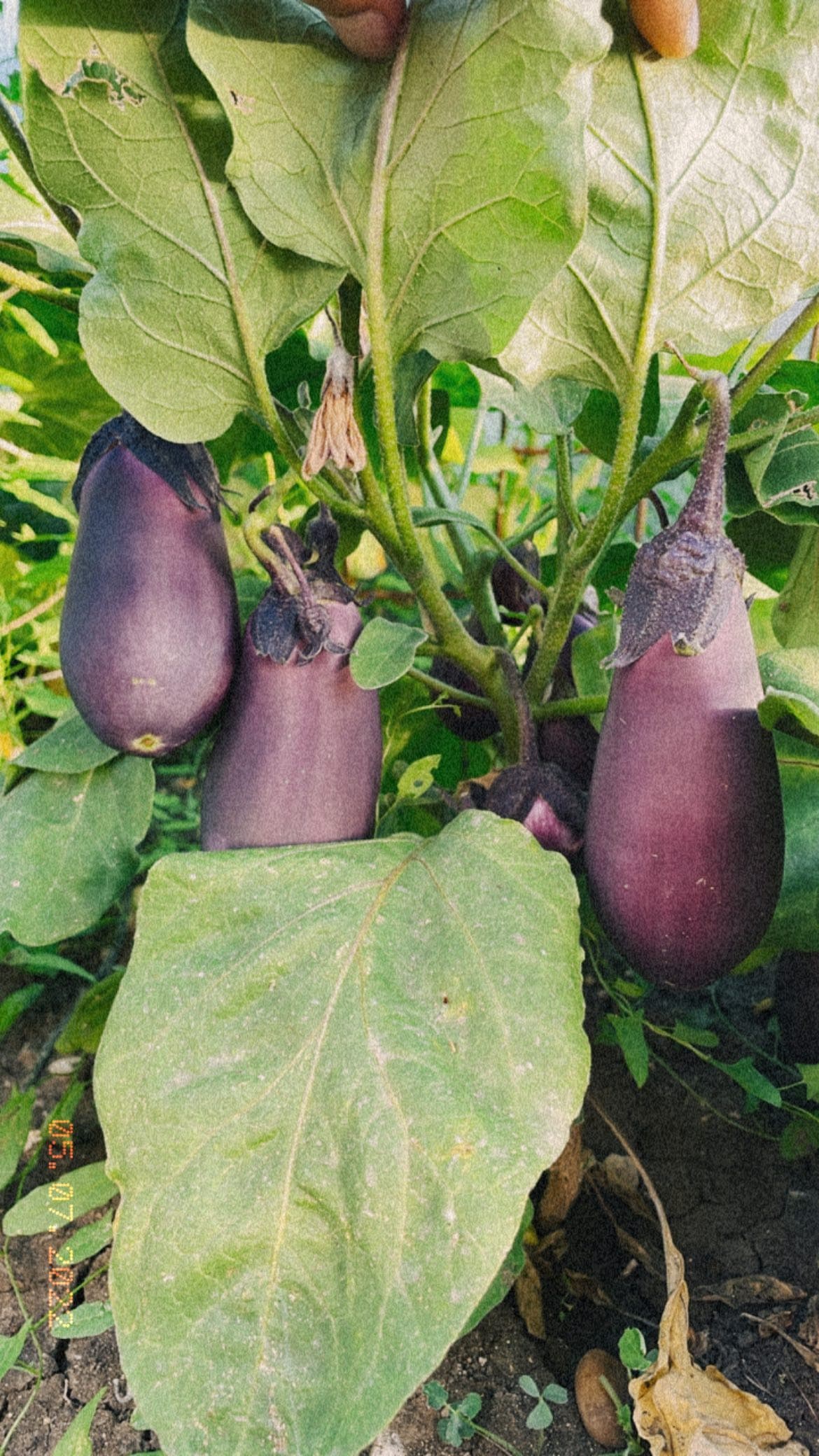
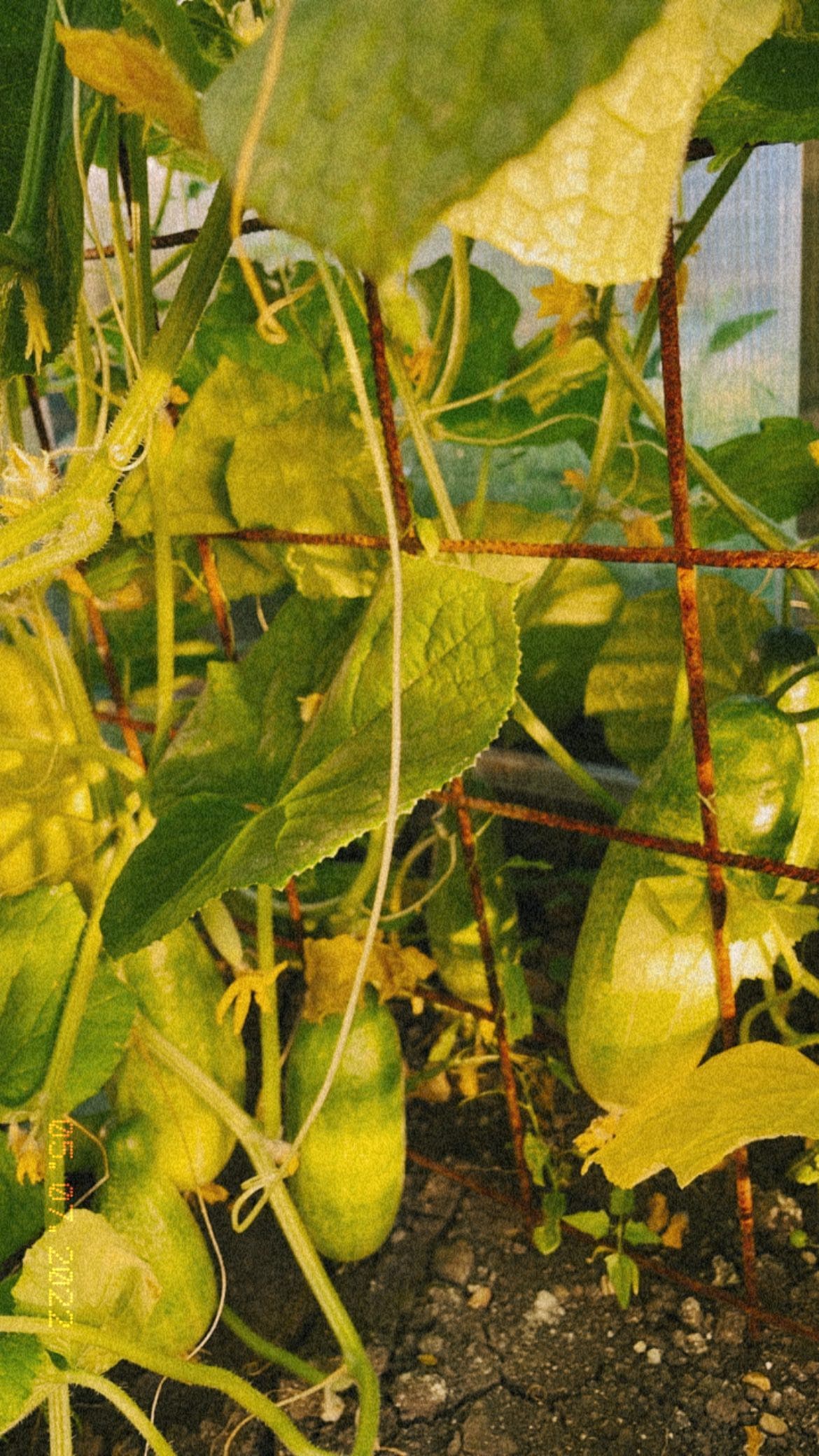
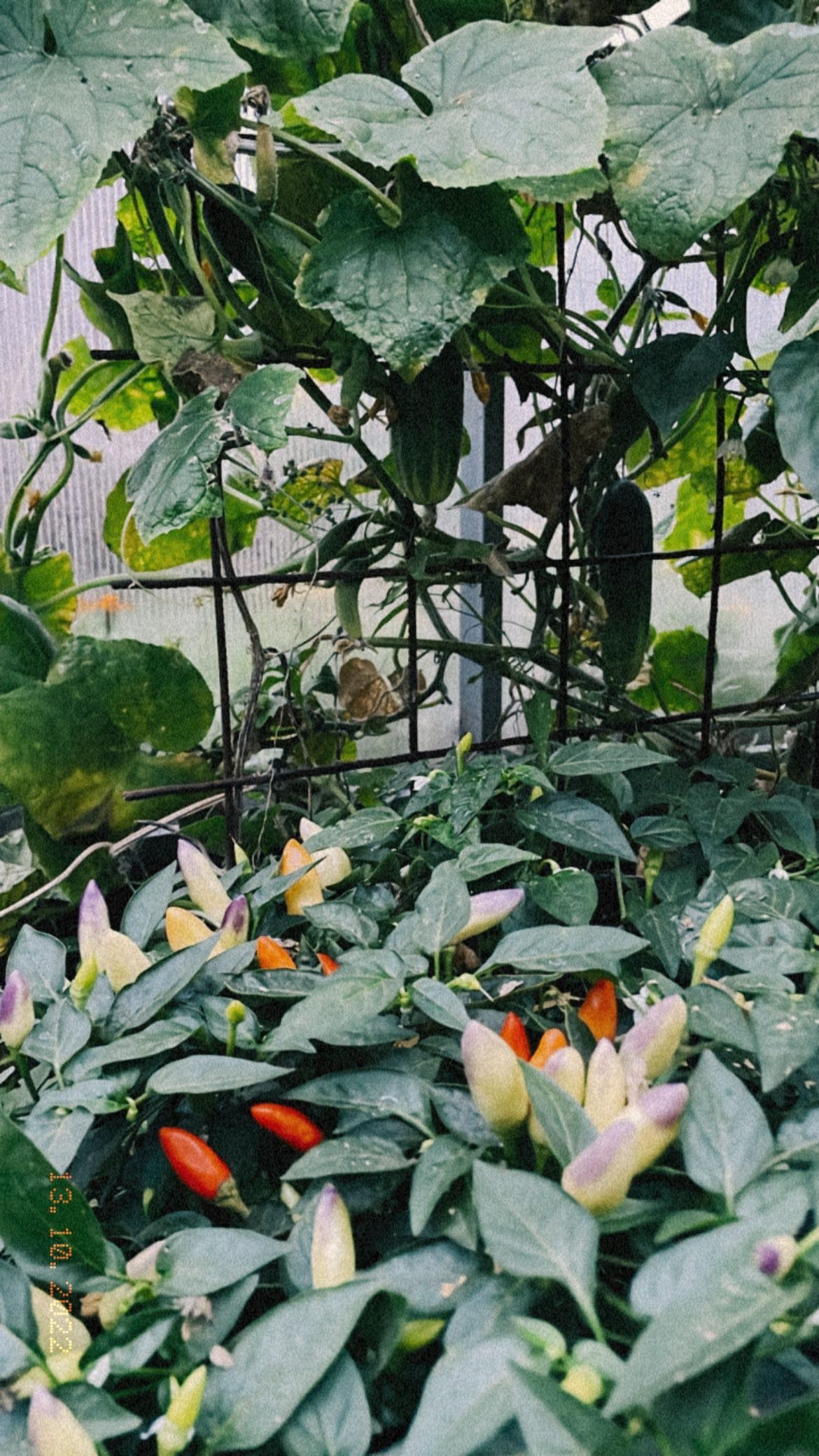
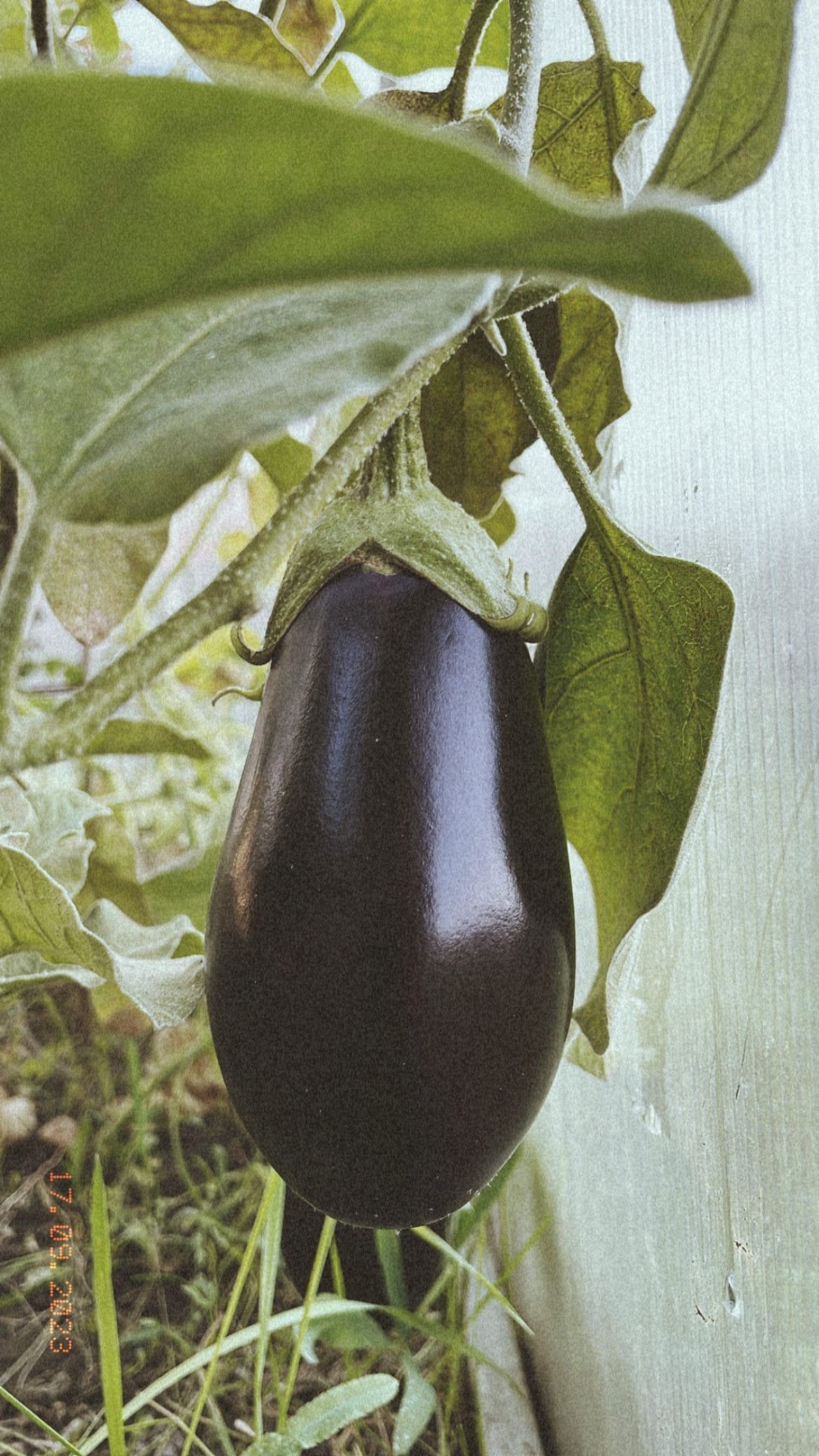
In Central Europe's temperate climate, a greenhouse makes the difference between marginal and abundant harvests of warm-season crops. Tomatoes, peppers, cucumbers, and melons that struggle outside thrive under protection.
Early Spring Start
Starting seeds in the greenhouse in March instead of May gives plants a huge advantage. By the time outdoor conditions allow planting, greenhouse-started seedlings are already mature and productive.
- Start tomatoes and peppers 8-10 weeks before last frost
- Harden off seedlings gradually before transplanting
- Extend harvest window by 6-8 weeks at start of season
Summer Protection
During summer, the greenhouse provides consistent warmth for crops that need it. Tomatoes ripen faster and more reliably. Peppers actually produce. Basil grows luxuriantly instead of struggling.
Fall Extension
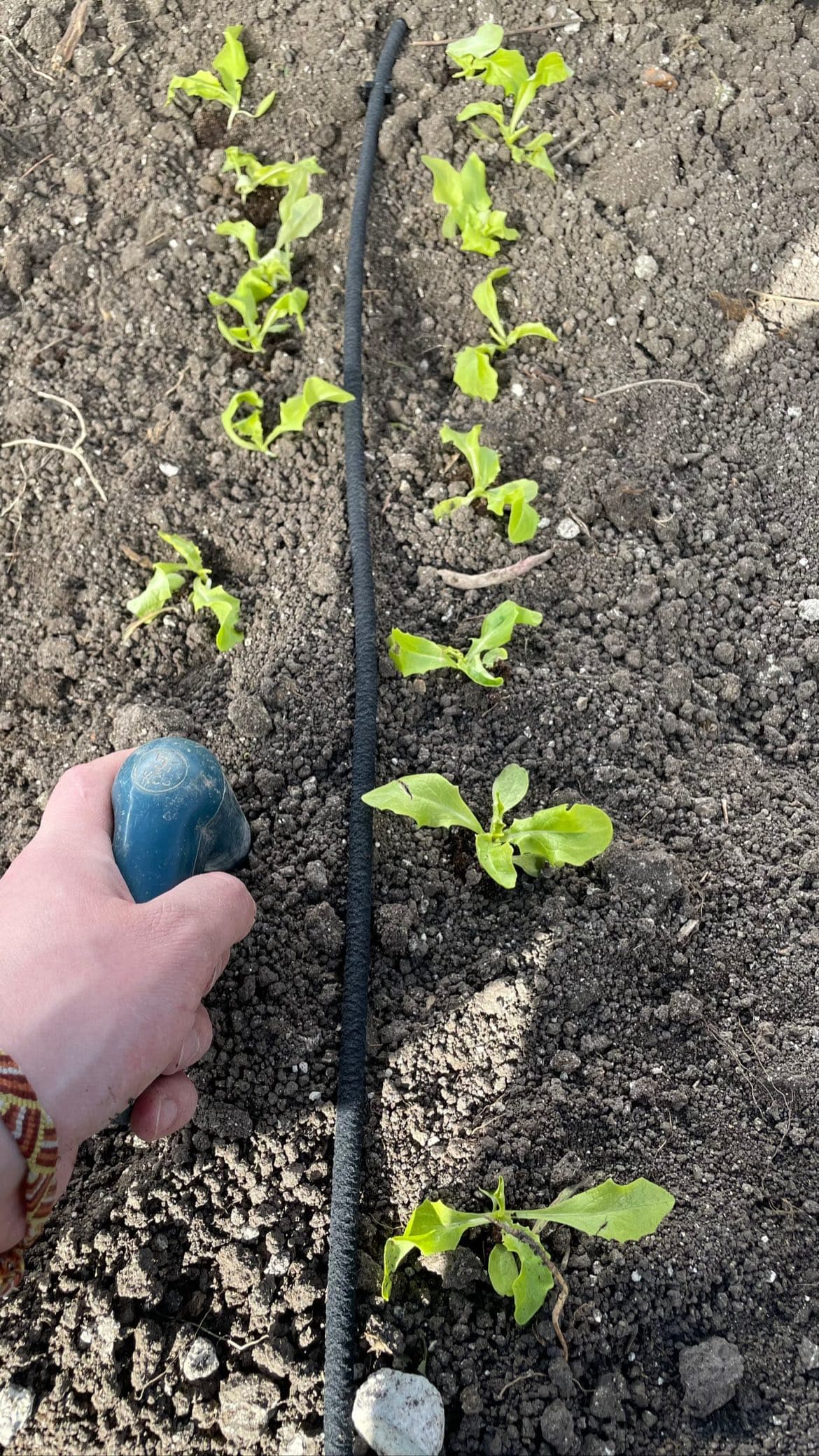
When outdoor gardens are killed by first frost, the greenhouse keeps producing. Lettuce, spinach, and cold-hardy greens continue growing well into winter.
- Harvest fresh greens through November and December
- Some crops like kale survive all winter with minimal protection
- Extends season by 4-6 weeks at the end
💧 Irrigation System
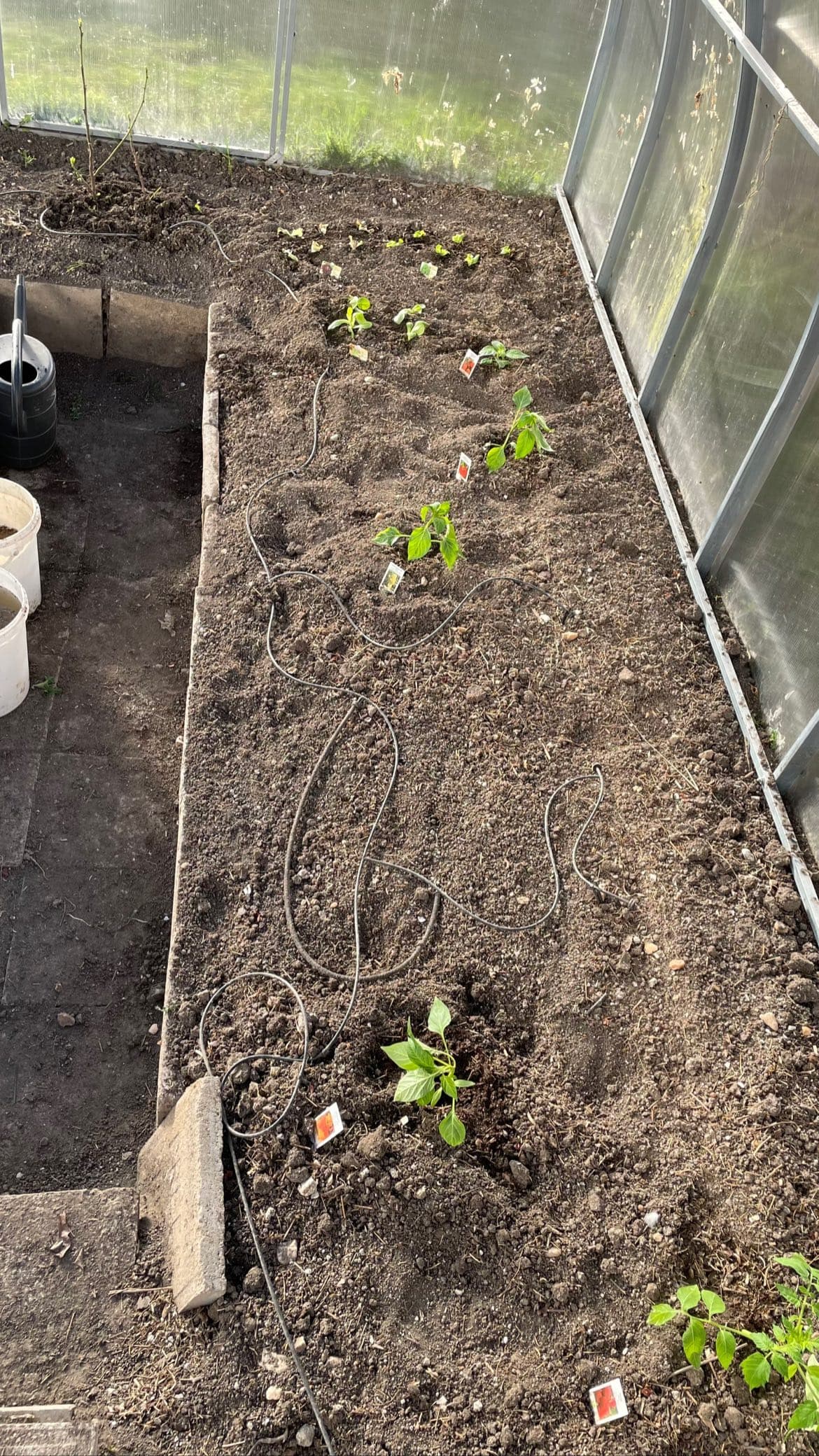
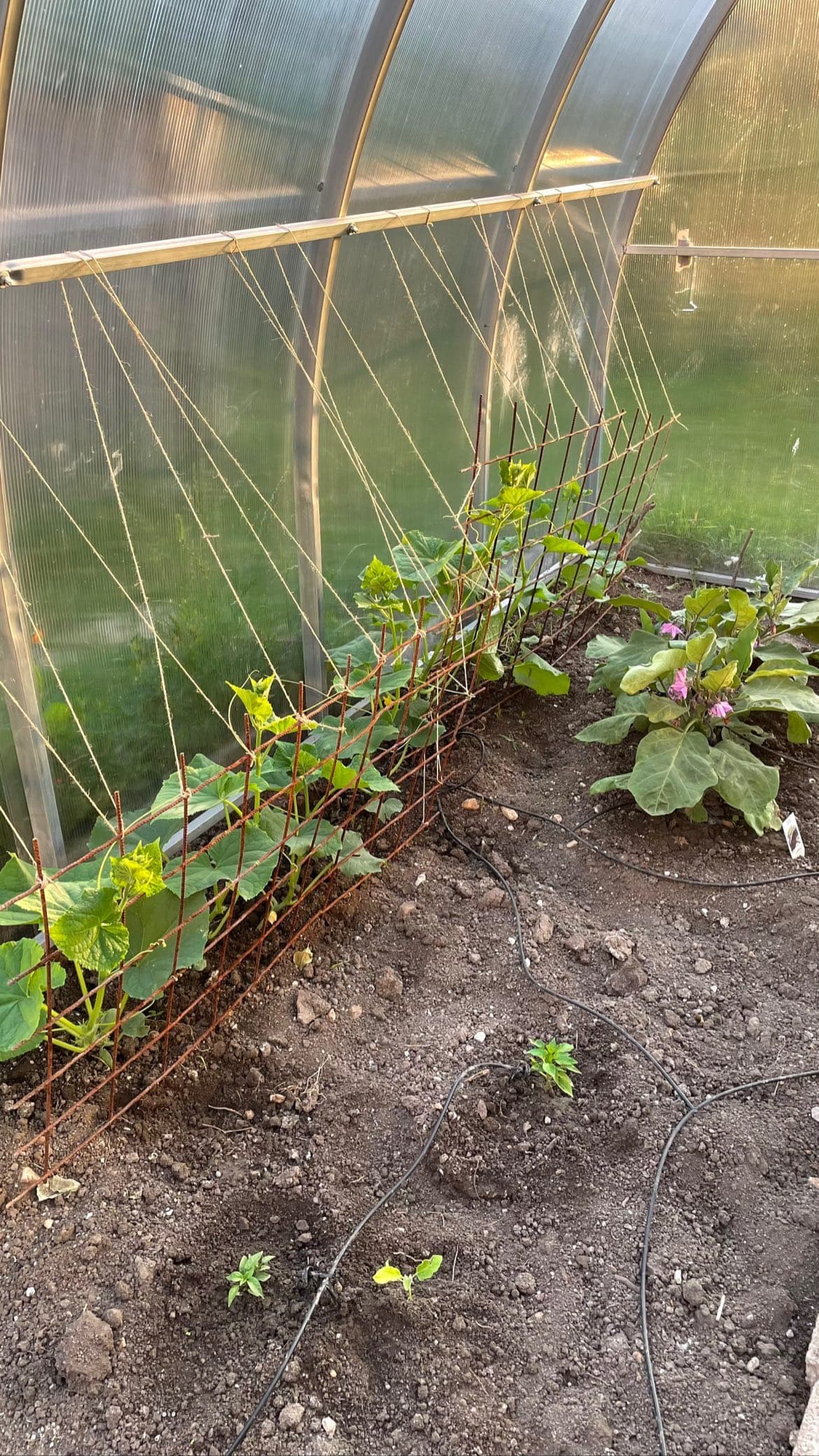
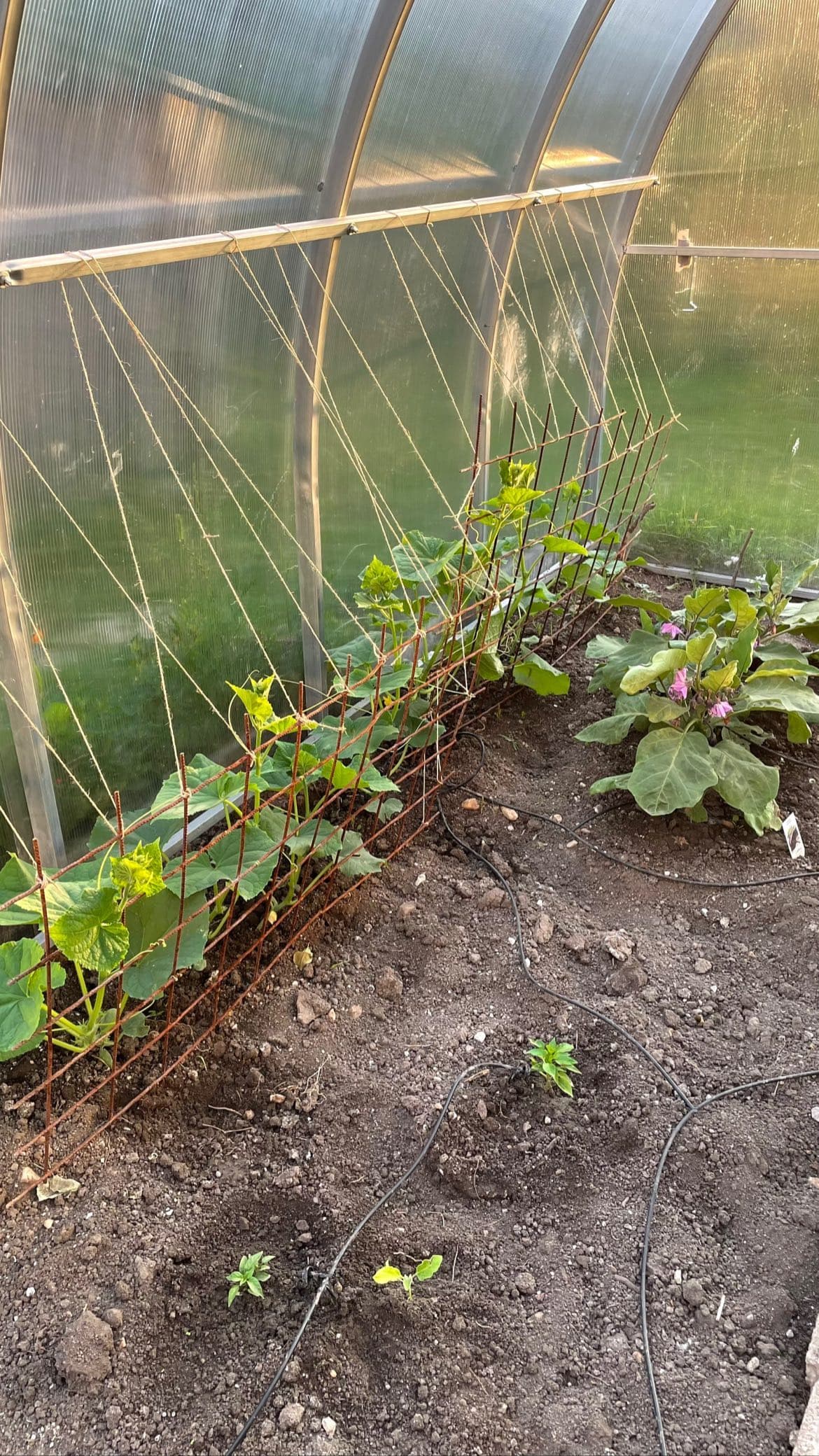
Managing water in a greenhouse is critical - plants dry out faster in the enclosed environment. Installing a simple irrigation system transformed greenhouse management from daily hand-watering to efficient automated delivery.
- Drip irrigation lines along each bed
- Timer-controlled watering ensures consistency
- Reduces water waste compared to hand watering
- Frees up time for observation and care instead of watering
- Plants receive steady moisture rather than feast-or-famine cycles
- Can connect to rainwater collection system
🌿 Propagation Station
Beyond growing food, the greenhouse is where I propagate hundreds of plants annually - for the homestead, for experiments, and for sharing with community members.
- Start all annual vegetable seedlings
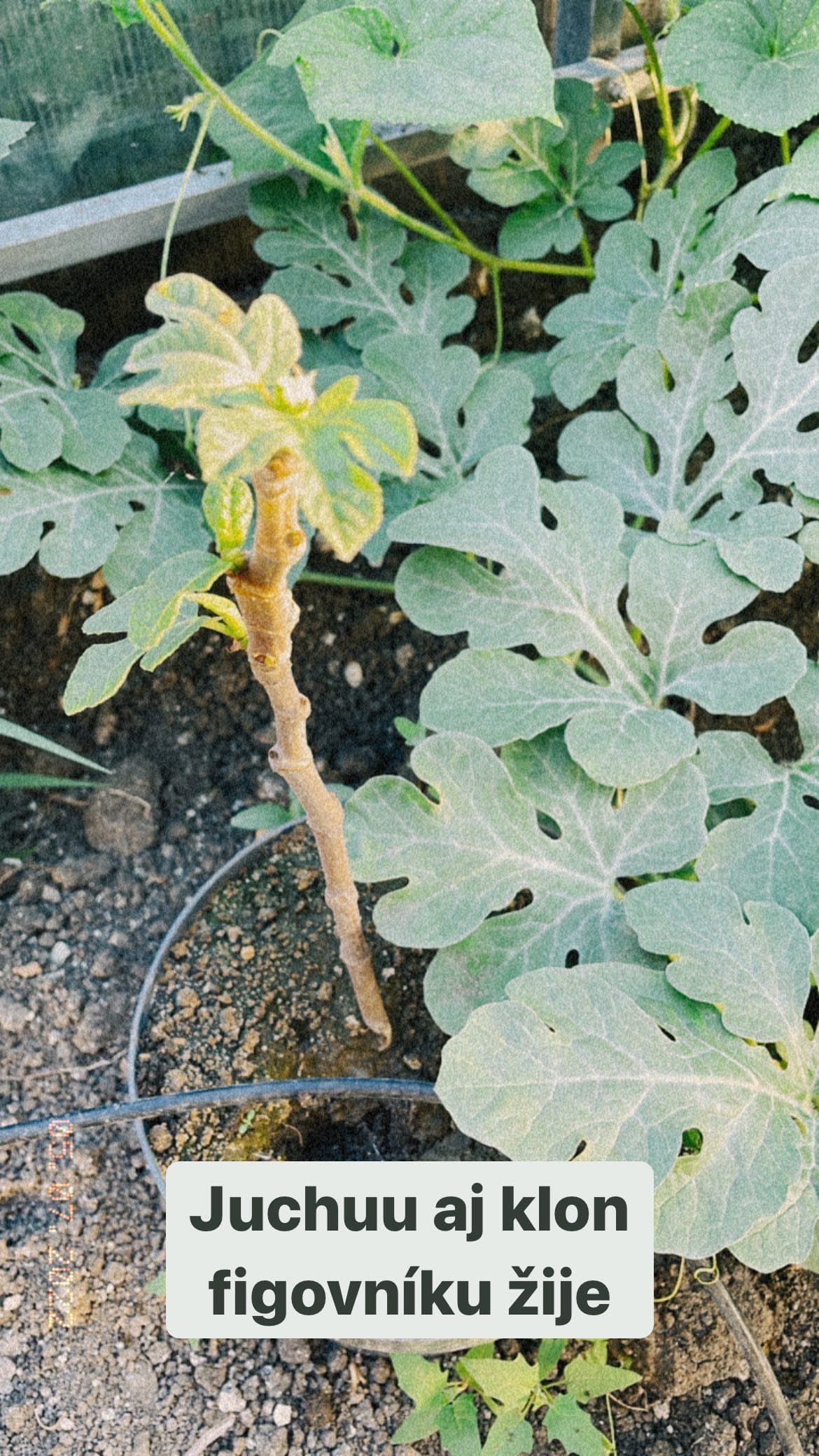
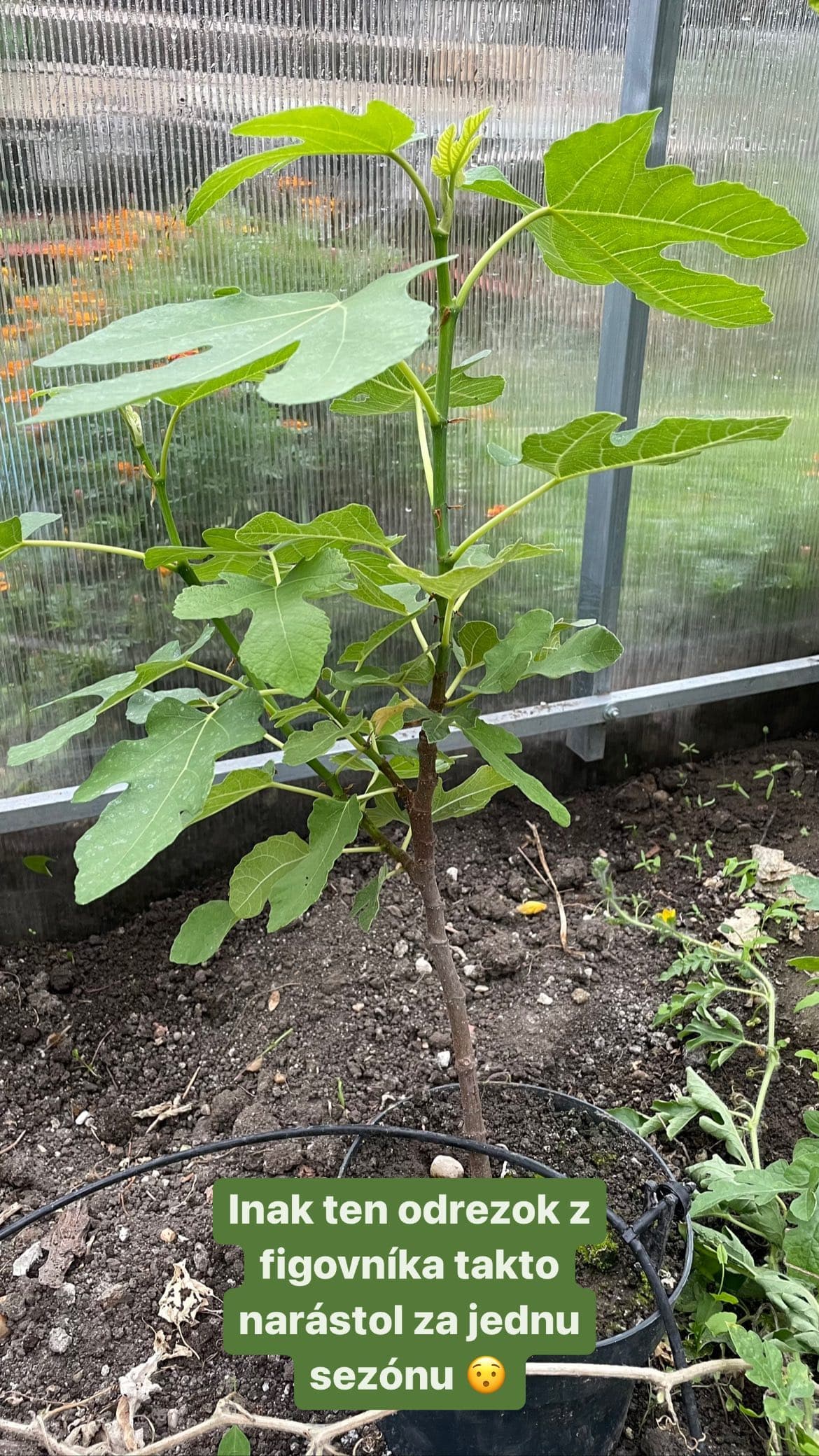
- Propagate perennials from cuttings
- Experiment with varieties before committing to outdoor planting
- Create surplus seedlings for community sharing
- Protected environment increases germination success rates
📚 What I've Learned
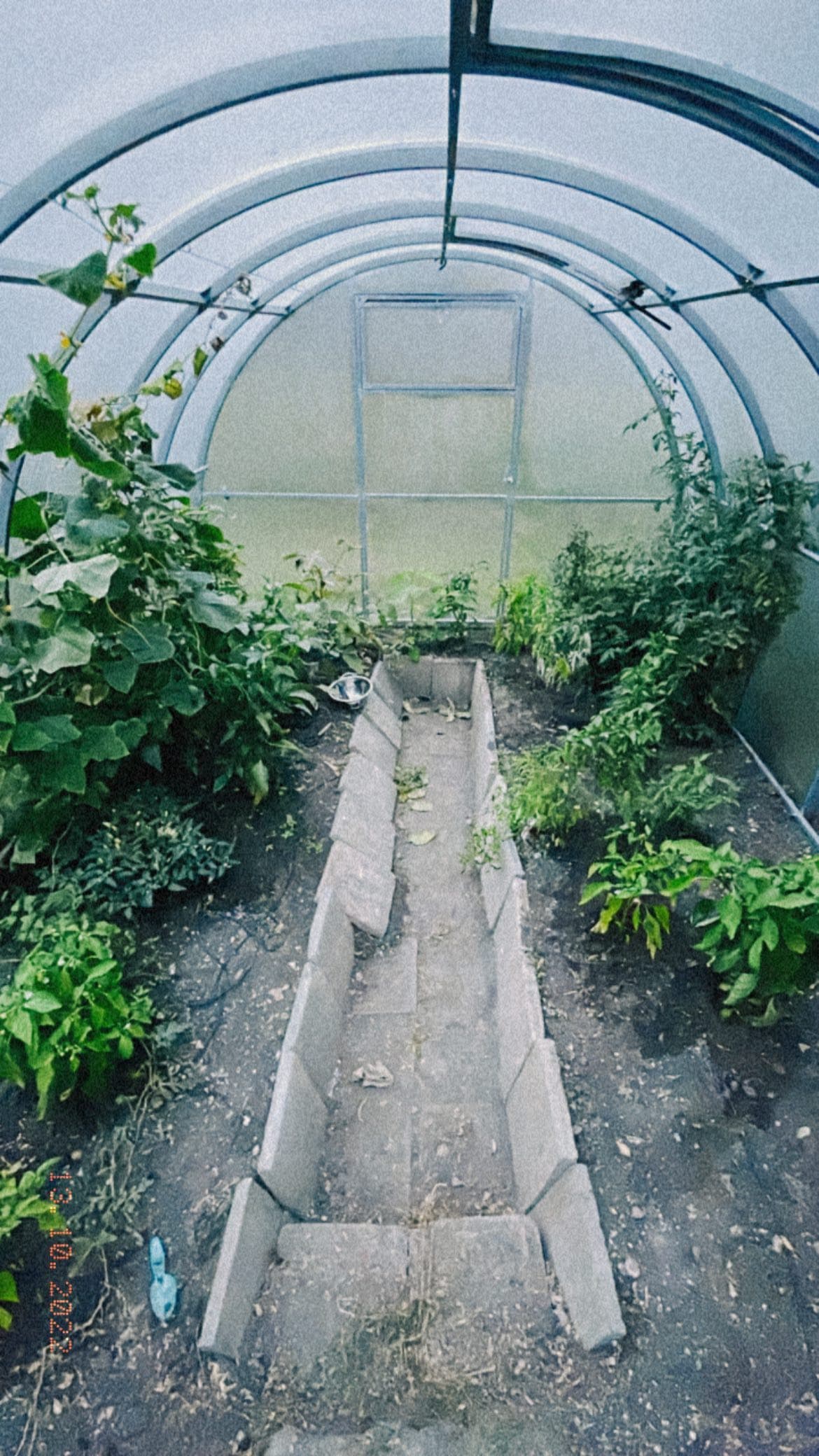
Years of greenhouse growing have taught me that success comes from understanding it as an ecosystem, not just a shelter:
- Ventilation is as important as heat retention
- Soil fertility depletes faster in contained systems
- Pest problems can explode in enclosed spaces without balance
- Companion planting works even better in greenhouses
- Regular compost additions are essential
- Thermal mass (water barrels, stone) moderates temperature swings
- Multiple functions mean better return on investment
- The greenhouse becomes the heart of homestead food production
🏗 Technologies & Methods
🌊 Impact
Extended growing season by 3-4 months enabling reliable harvests of warm-season crops. Successful propagation of hundreds of plants annually. Installed irrigation system dramatically reduced labor while improving plant health. Demonstrated permaculture principle of stacking functions in single element.