Garden Beds & Polyculture
Personal Homestead
Intensive growing spaces using companion planting principles
🌱 From Monoculture to Polyculture
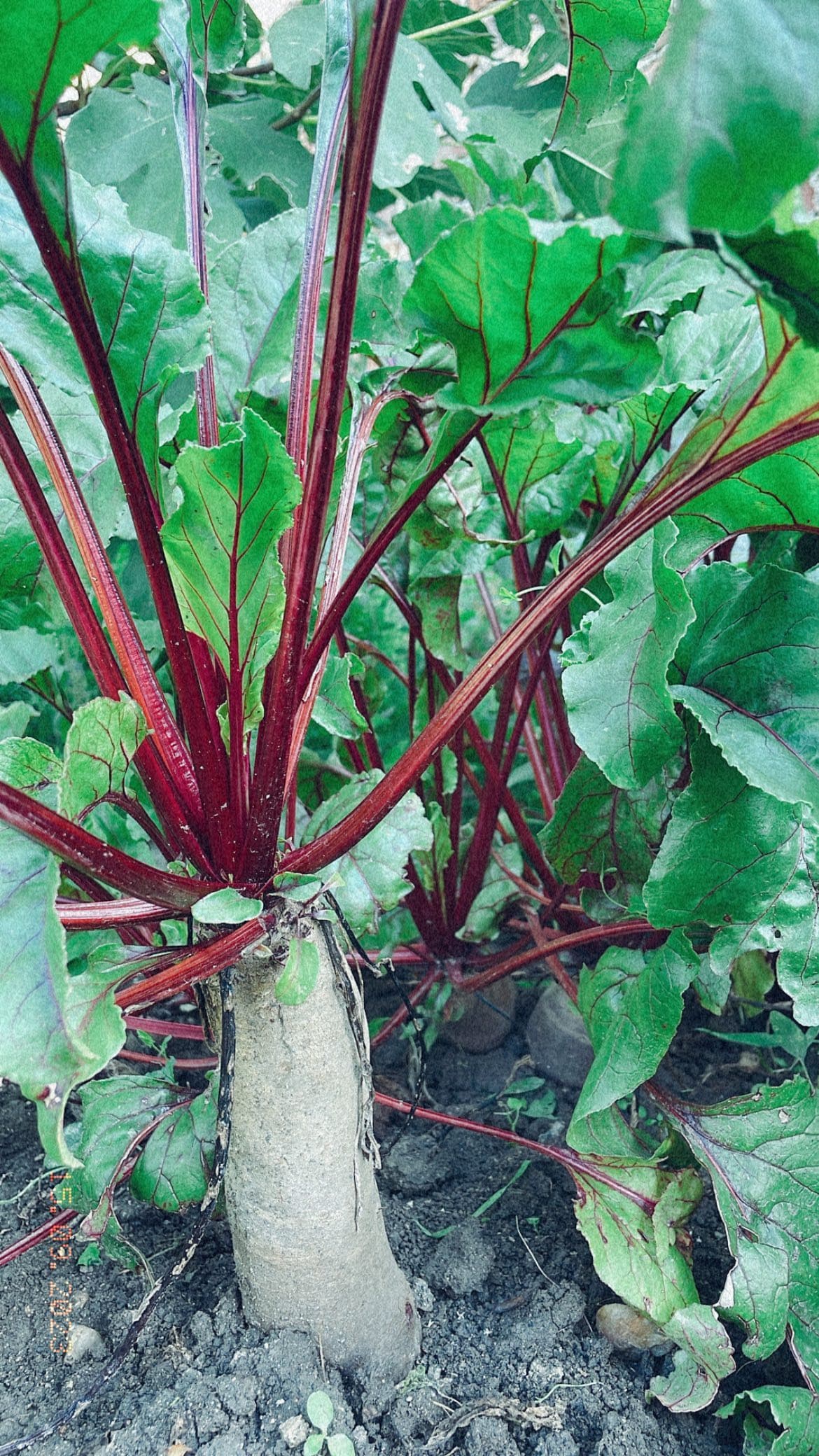
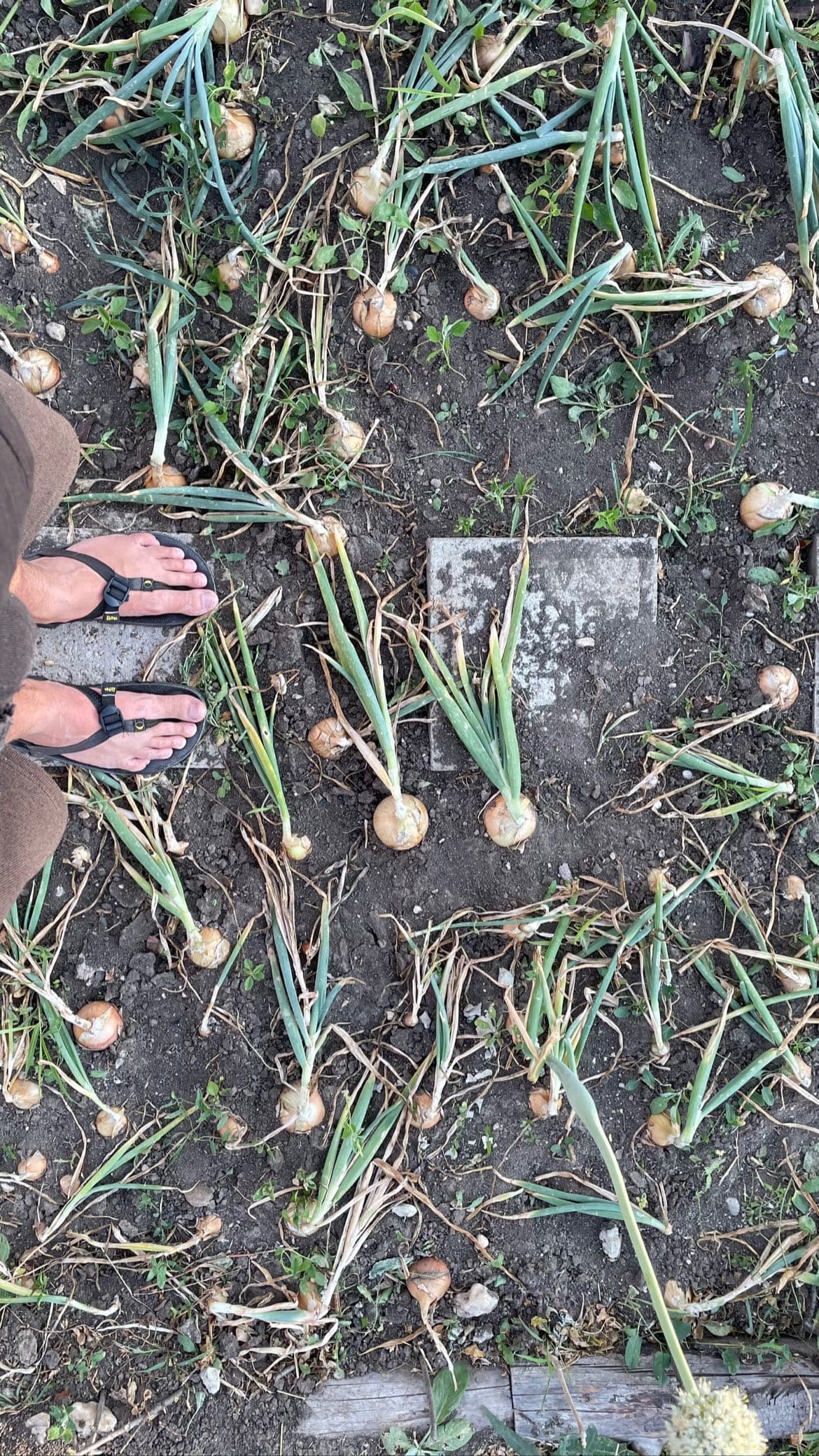
Garden beds are where I grow annual vegetables, but instead of planting single crops in rows like conventional gardens, I use polyculture - growing multiple species together. It's the opposite of monoculture, and it mimics how plants naturally grow in nature.
- Multiple plant species sharing the same space
- Plants supporting each other through complementary needs
- Natural pest management through diversity
- Better use of vertical and horizontal space
- More resilient to disease and weather fluctuations
🌽 The Three Sisters: A Perfect Example
The Three Sisters is a traditional Native American polyculture system that perfectly demonstrates how different plants can work together. It combines corn, beans, and squash in one planting.
How the Three Sisters Work Together
Each plant plays a specific role that benefits the others. This isn't just companion planting - it's a complete ecosystem in miniature.
- Corn provides tall stalks as support structure for climbing beans
- Beans fix nitrogen from air into soil, feeding the corn and squash
- Squash leaves spread across ground, shading soil and suppressing weeds
- Together they create microclimate that benefits all three
- Harvest all three crops from same space
Planting the Three Sisters
Timing is everything. The plants need to be staggered so corn has time to grow tall enough to support the beans.
- Create mounds 30cm diameter, 20cm high, spaced 2.5m apart
- Plant 8-10 corn seeds per mound in late April/early May
- One week later: plant squash between the mounds
- Four weeks after corn: plant beans at base of mounds
- Corn gets head start to provide structure for beans
- Traditional method: plant 2 corn + 2 bean seeds together when soil is warm (warm enough to walk barefoot)
🌿 Applying Polyculture Principles
The Three Sisters taught me principles I apply throughout all my garden beds. Every planting decision considers how species can support each other.
Complementary Growth Patterns
Combine plants with different root depths, leaf heights, and growth speeds. Deep-rooted plants access nutrients shallow-rooted plants can't reach. Fast growers harvest before slow growers need the space.
Nitrogen Fixers as Garden Allies
Beans, peas, and other legumes pull nitrogen from air and make it available to neighboring plants. I include them throughout garden beds, not just in Three Sisters plantings.
Living Mulch
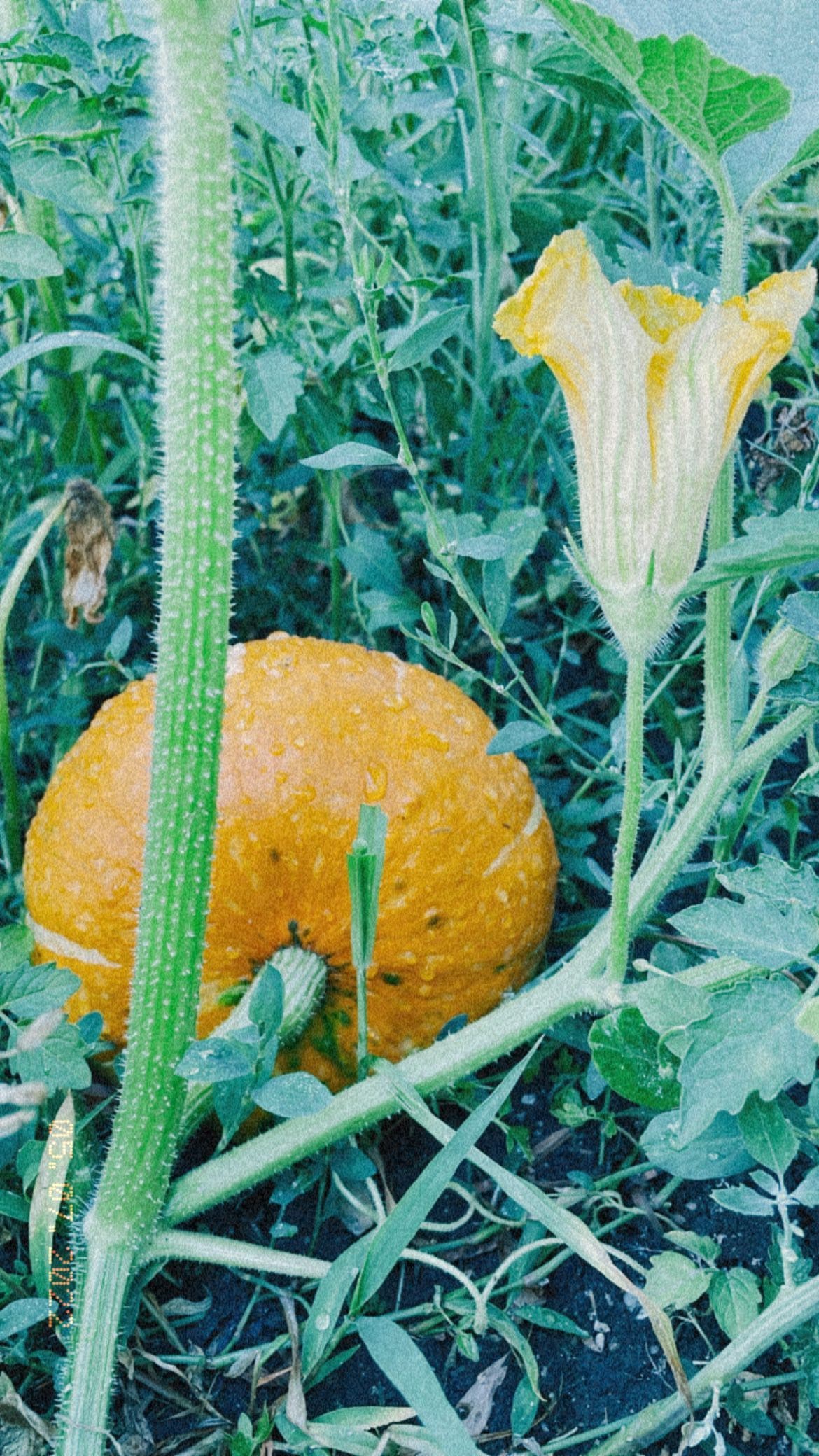
Low-growing spreading plants like squash, pumpkin, or ground cover herbs shade soil, retain moisture, and crowd out weeds while taller crops grow above them.
🛠️ Garden Bed Construction
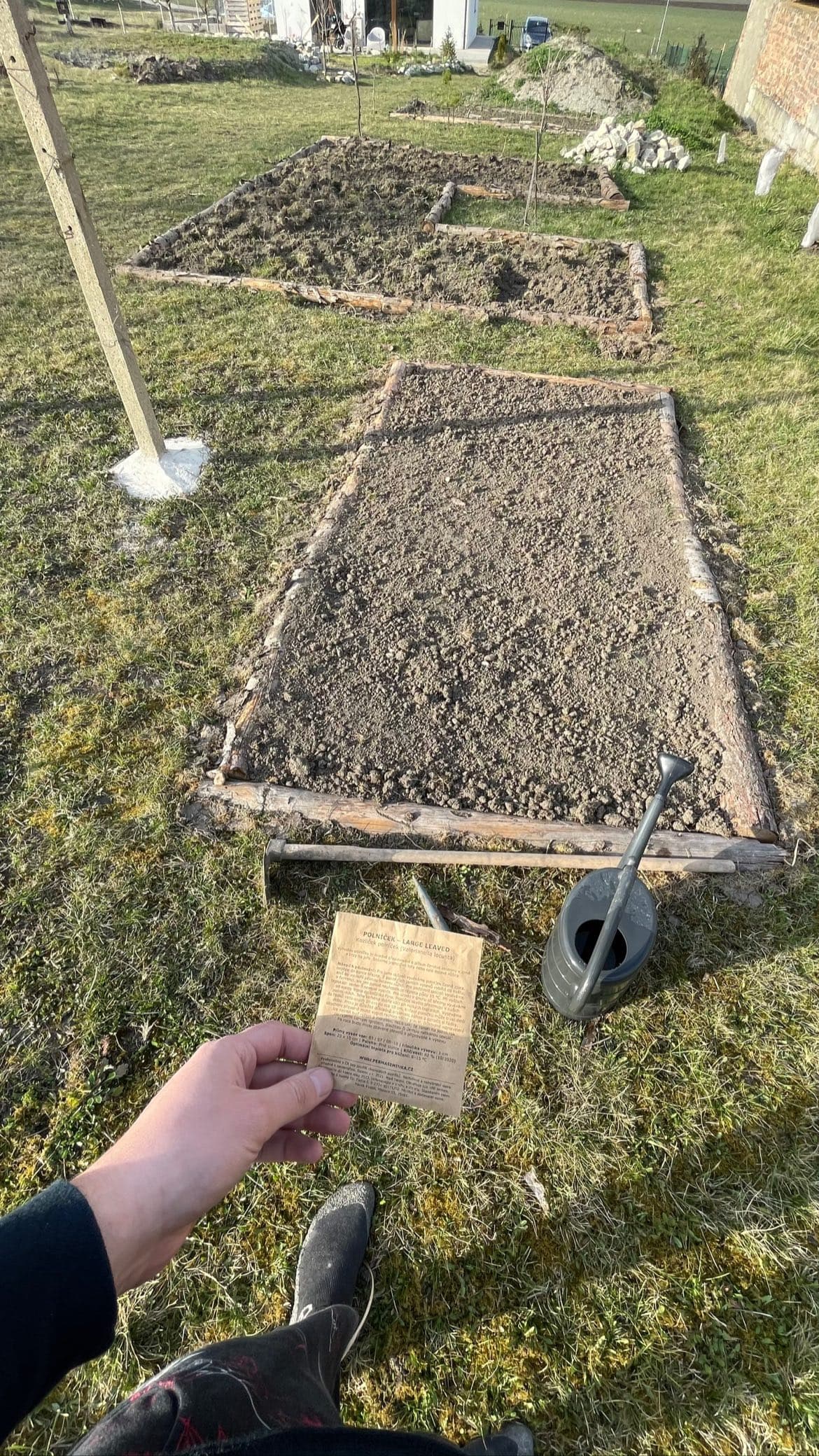
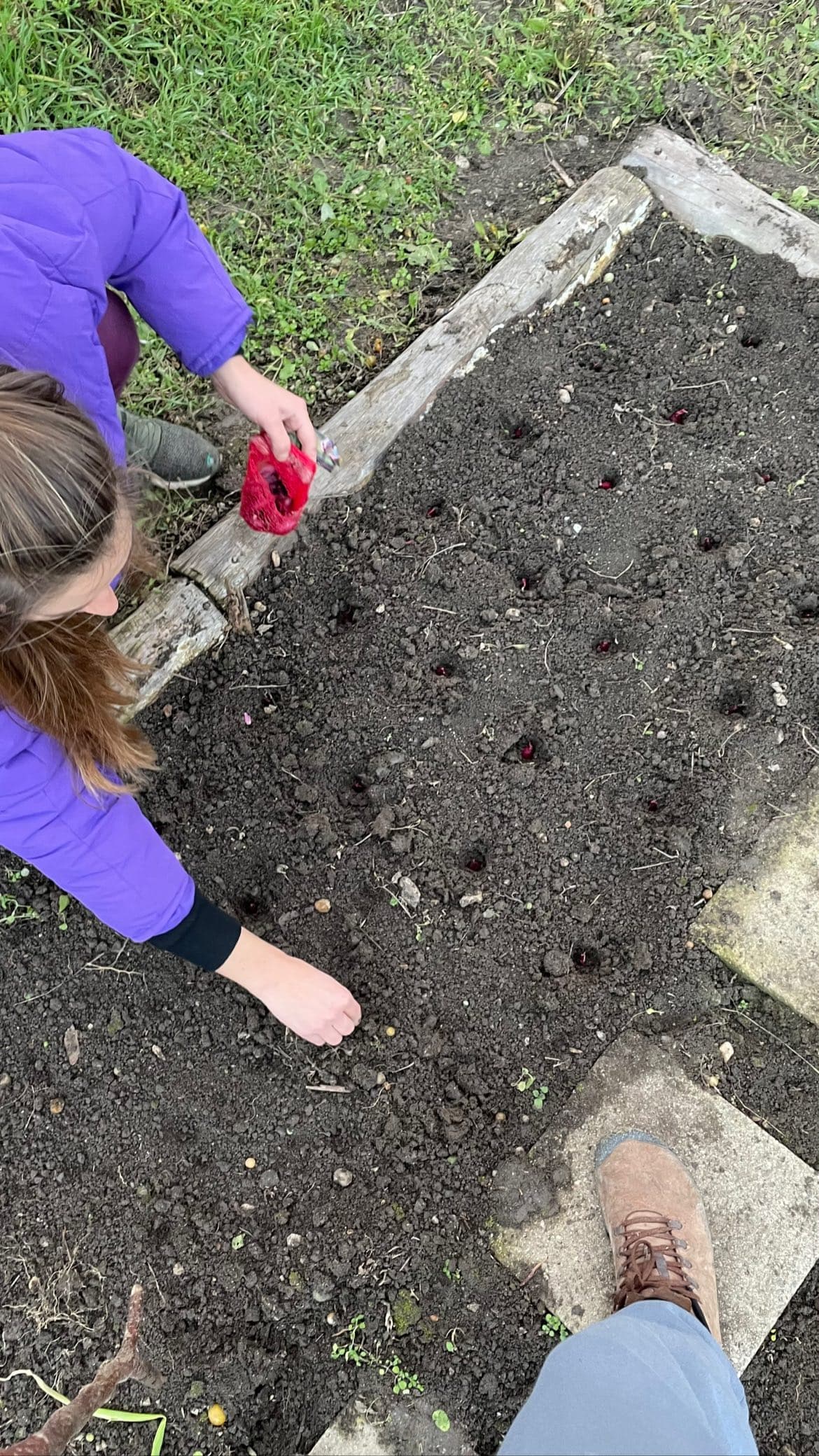
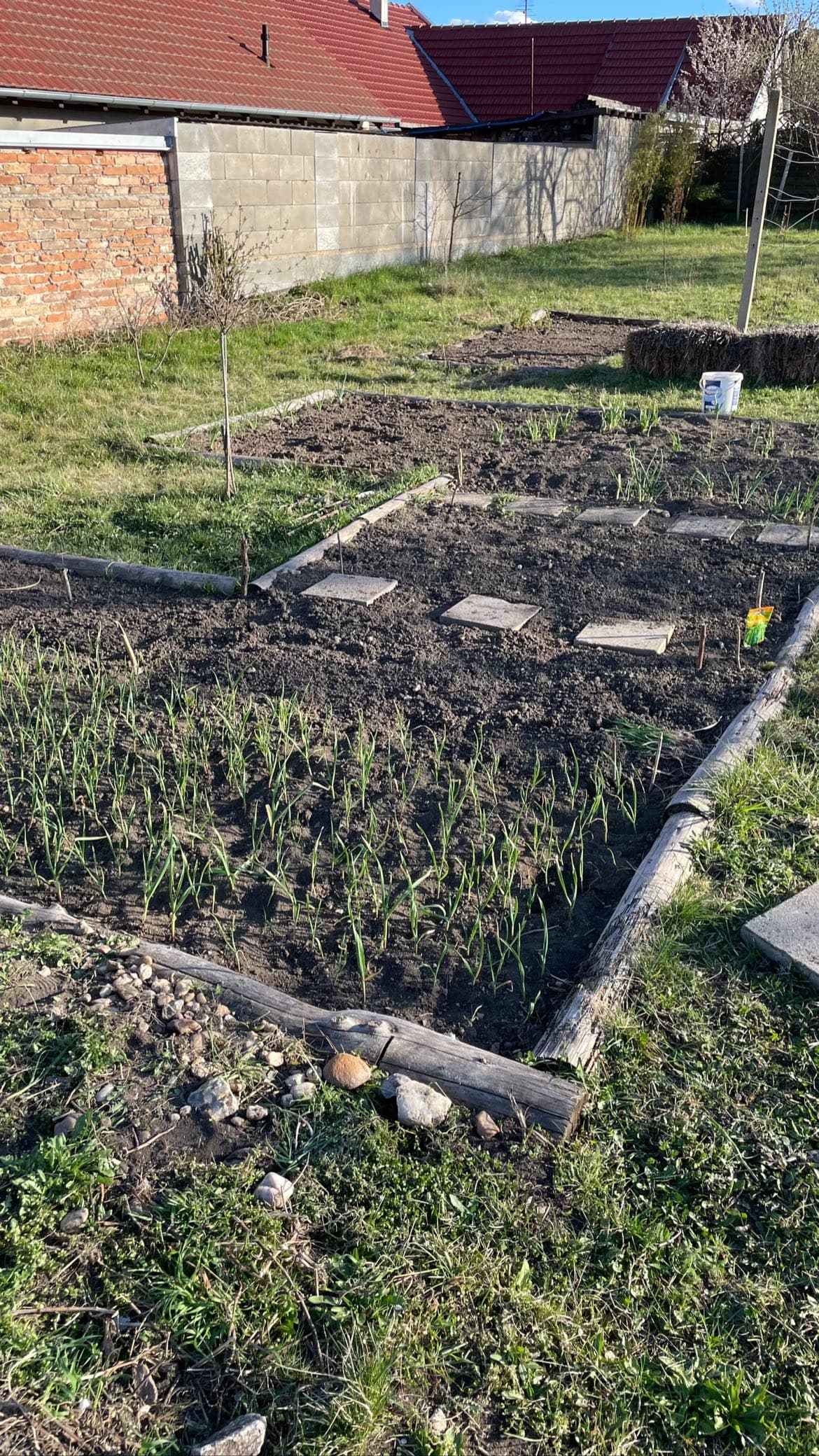
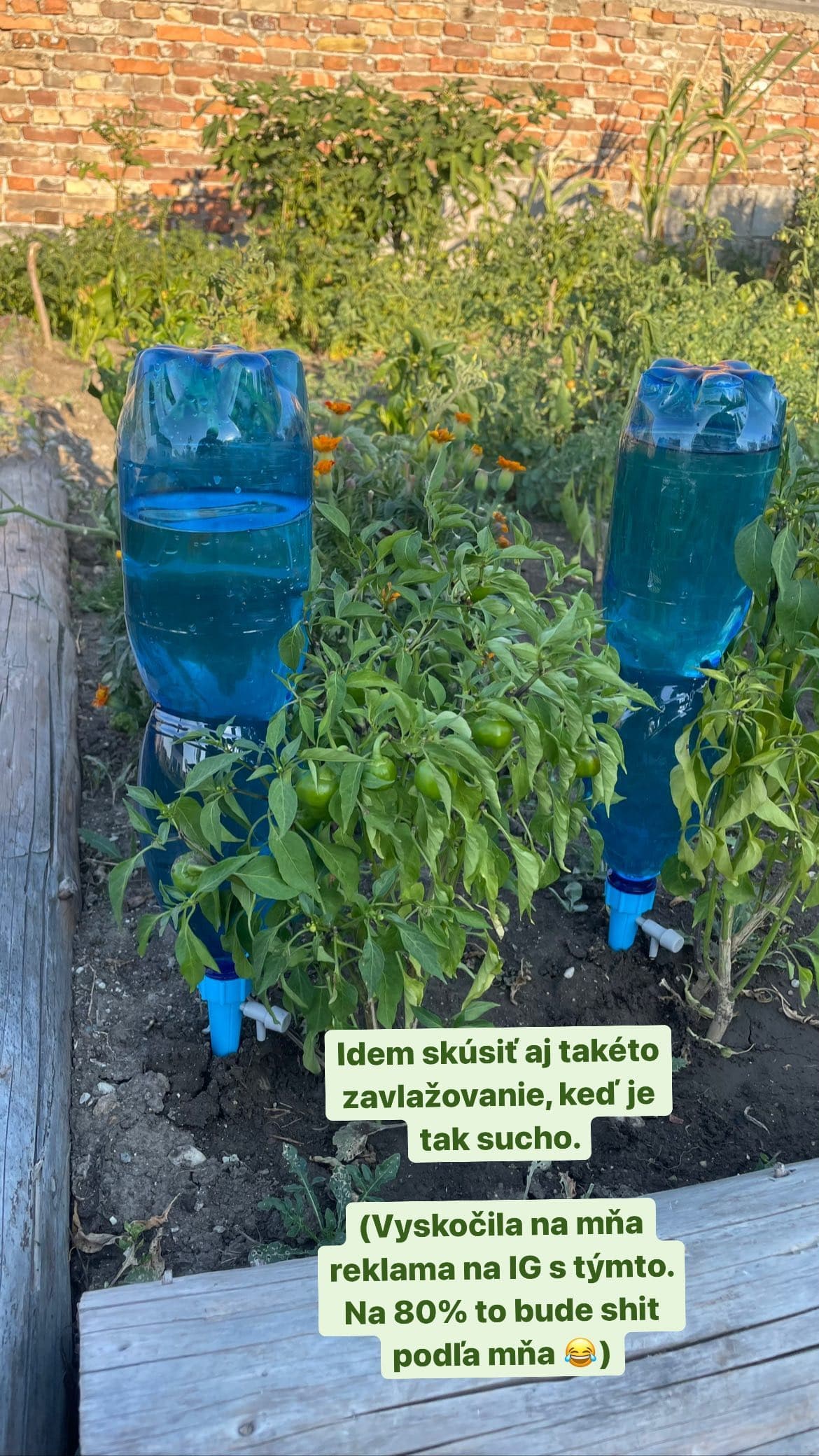
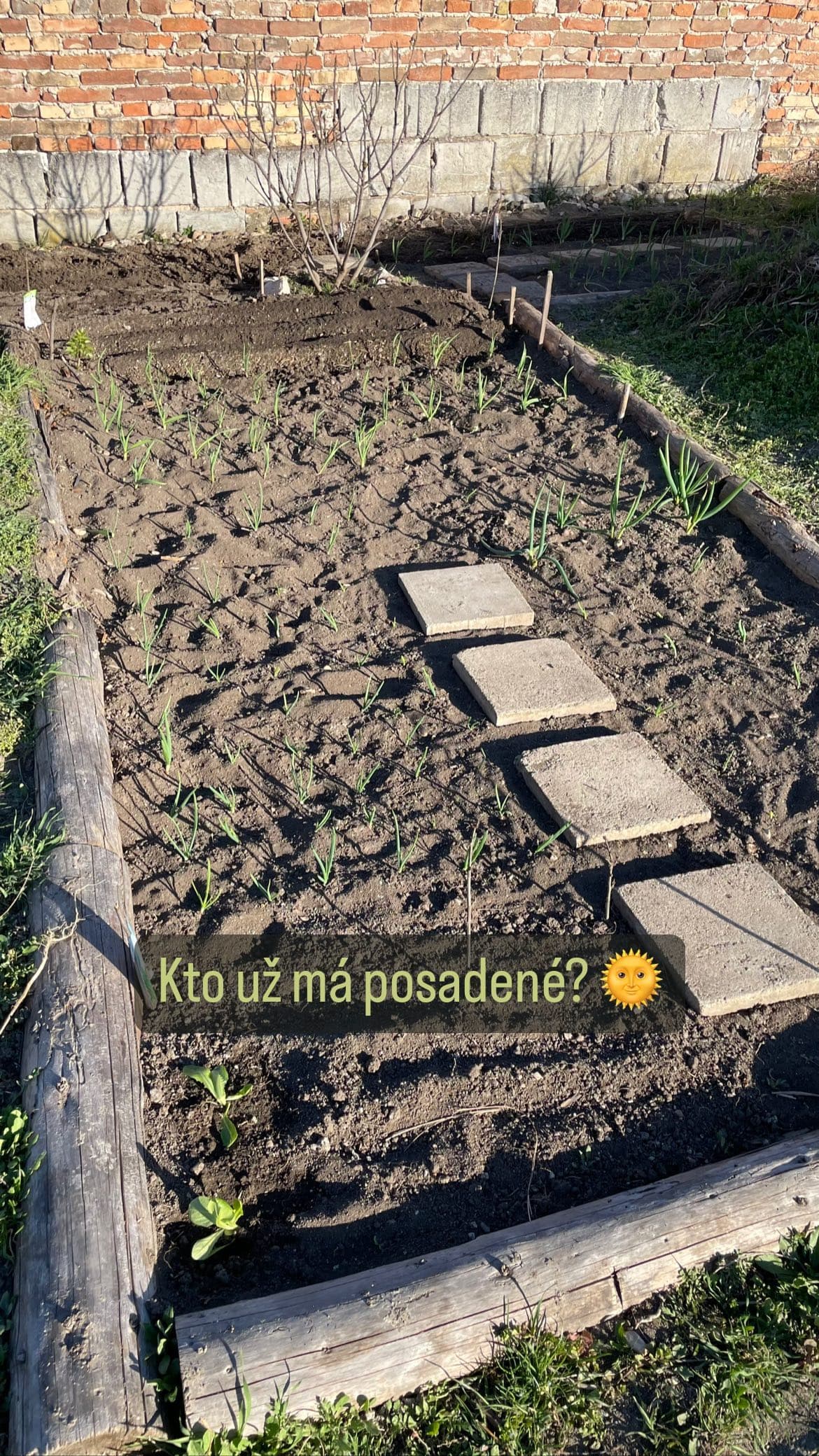
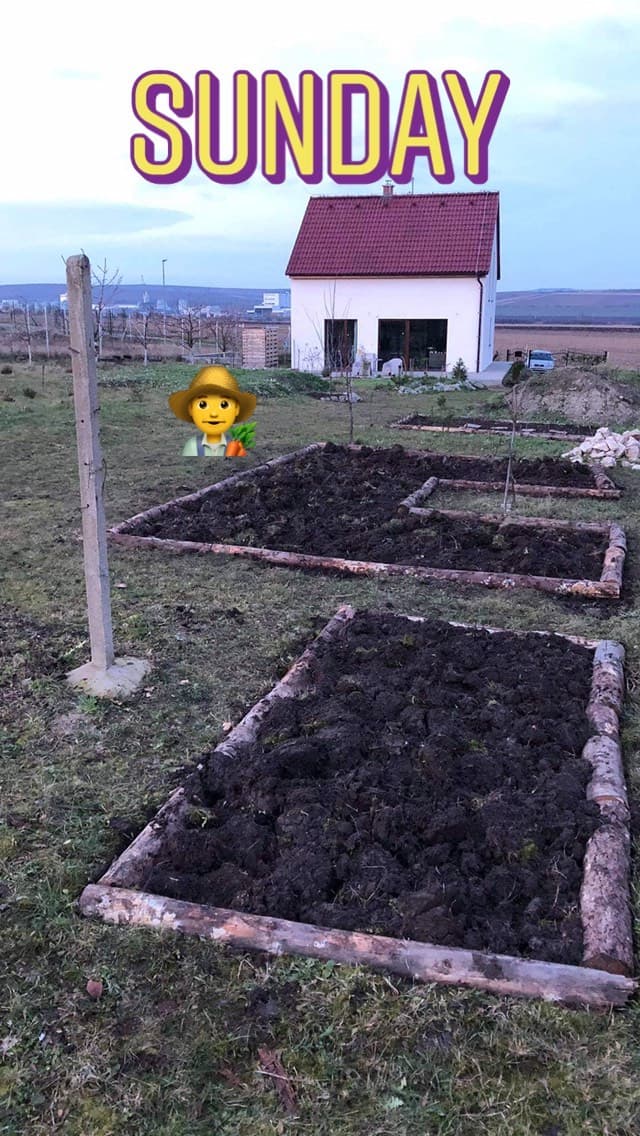
The physical beds are built to support intensive polyculture growing - optimized for soil health, water retention, and easy access for observation and harvest.
- Mix of raised beds and ground-level beds
- Deep, loose soil for strong root development
- Amended with compost for fertility
- Positioned for optimal sun exposure
- Wide enough to reach center from both sides
- Permanent paths prevent soil compaction
📚 What I've Learned
Years of experimenting with polyculture in garden beds has taught me what works and what doesn't:
- Polyculture takes more planning than monoculture rows
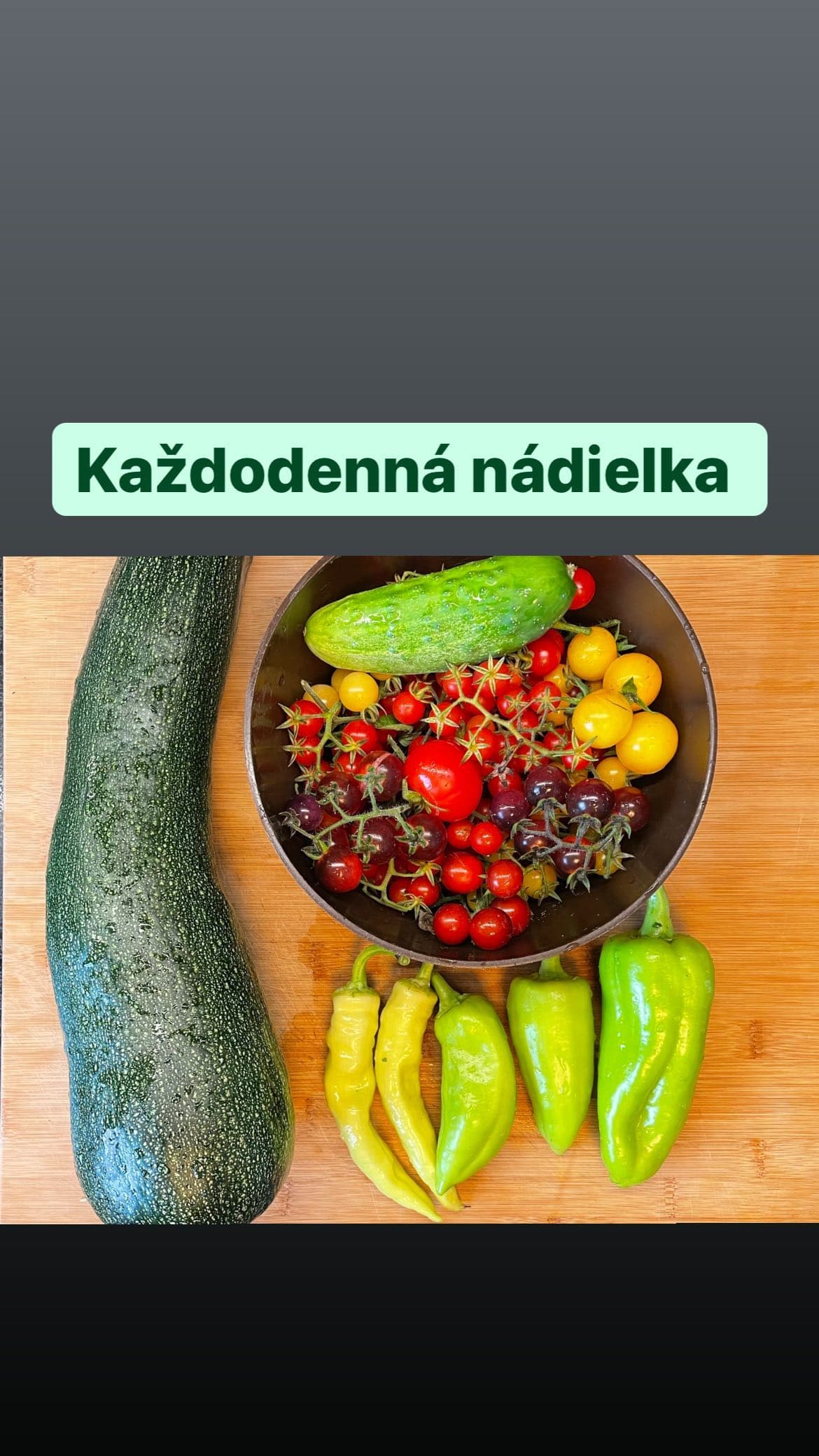
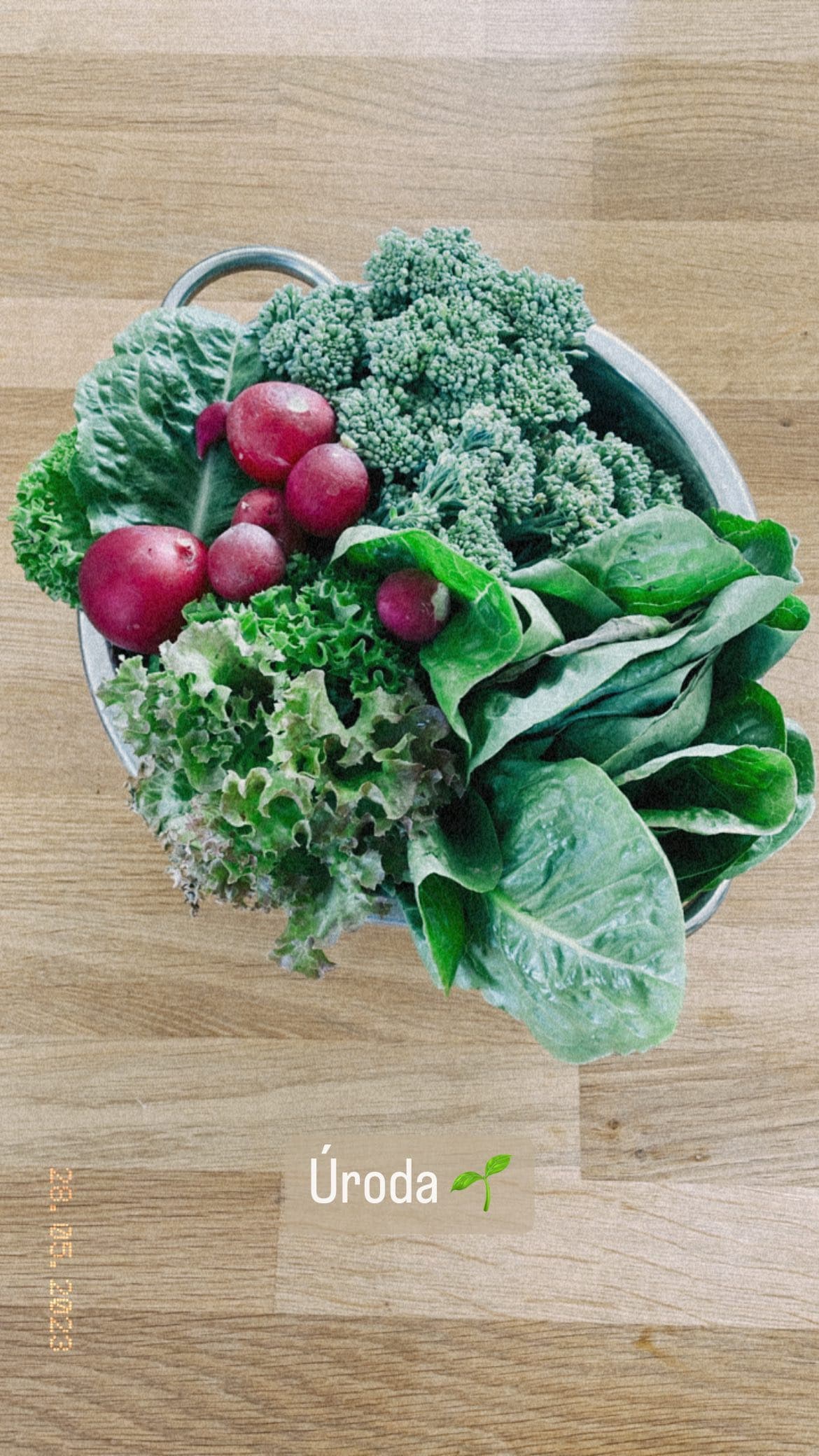
- But results in more food from same space with fewer problems
- Some combinations work beautifully, others compete too much
- Observation over time reveals best pairings for your conditions
- Dense plantings require excellent soil fertility
- The garden feels more alive with multiple species together
- Traditional systems like Three Sisters exist for good reasons - they work
🏗 Technologies & Methods
🌊 Impact
Productive vegetable gardens providing diverse fresh food throughout growing season. Demonstrated that polyculture outperforms monoculture in resilience, yield per area, and ecosystem health. Applied traditional wisdom like Three Sisters to modern homestead context.