Food Preservation
Personal Homestead
Traditional methods for extending harvest availability
🌾 Why Food Preservation Matters
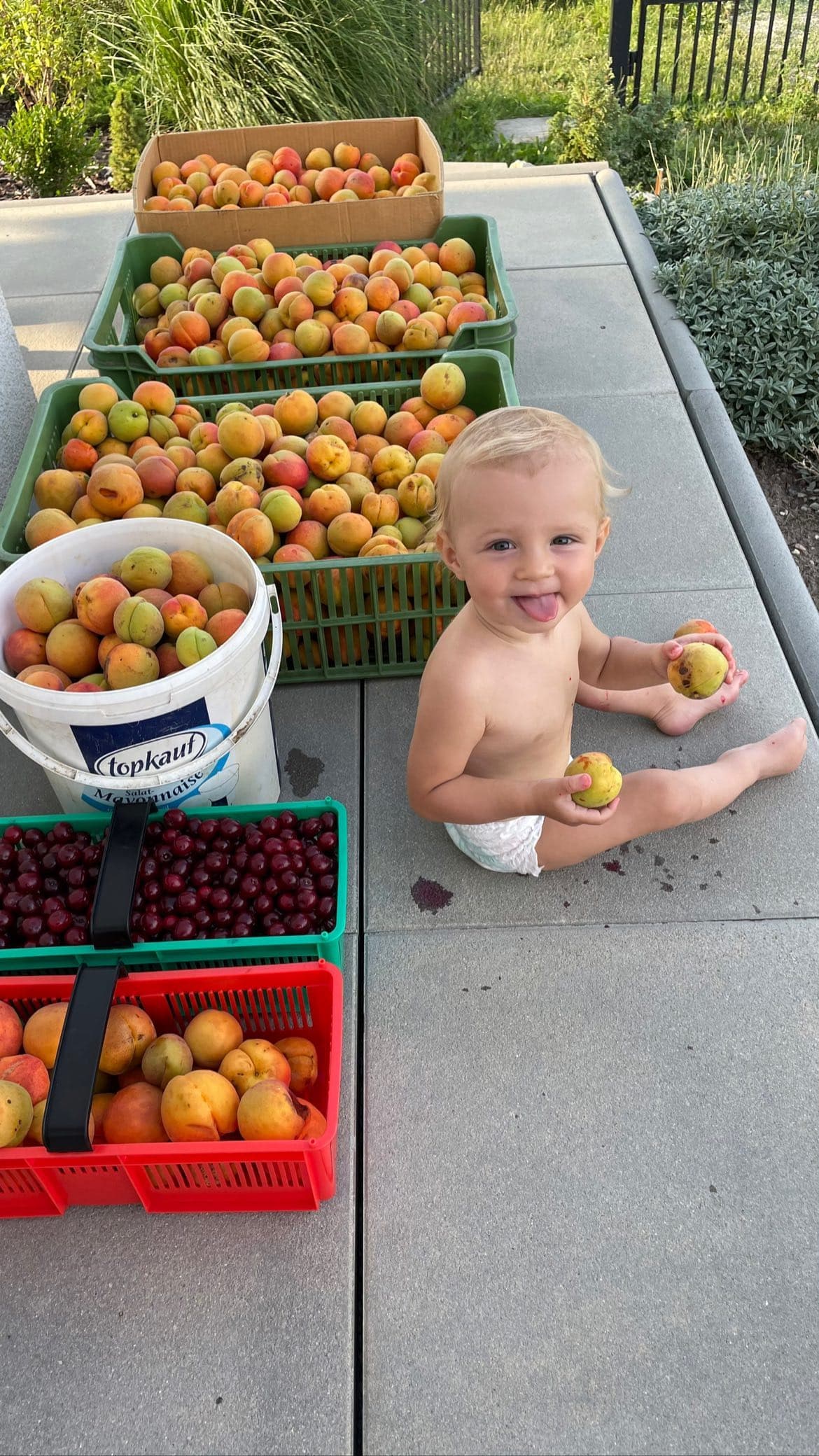
Harvest comes in waves. Tomatoes ripen all at once. Fruit trees produce abundantly for a few weeks, then nothing. Food preservation is how we extend that seasonal abundance throughout the year - it's one of the fundamental skills of self-sufficiency.
- Enjoy harvest for months beyond growing season
- Reduce food waste from surplus harvests
- Build food security and independence
- Preserve nutrients and flavors at peak ripeness
- Create variety in winter diet from summer abundance
🍯 Preservation Methods I Practice
Different foods require different preservation techniques. Over the years, I've learned which methods work best for various crops and how to combine techniques for maximum food security.
Fermentation
One of the oldest and most beneficial preservation methods. Fermentation not only preserves food but improves its nutritional value through beneficial bacteria. It requires minimal equipment and energy - just understanding the conditions lactic acid bacteria need to thrive.
- Sauerkraut and fermented vegetables
- Kimchi variations with garden produce
- Naturally fermented pickles (no vinegar needed)
- Probiotic-rich foods that improve gut health
- Preserves for months at room temperature
- Technical requirements: anaerobic environment (submerged in liquid, no air contact)
- Ideal temperature: 16-22°C (below this, fermentation slows significantly)
- Lactobacilli outcompete other bacteria in proper conditions
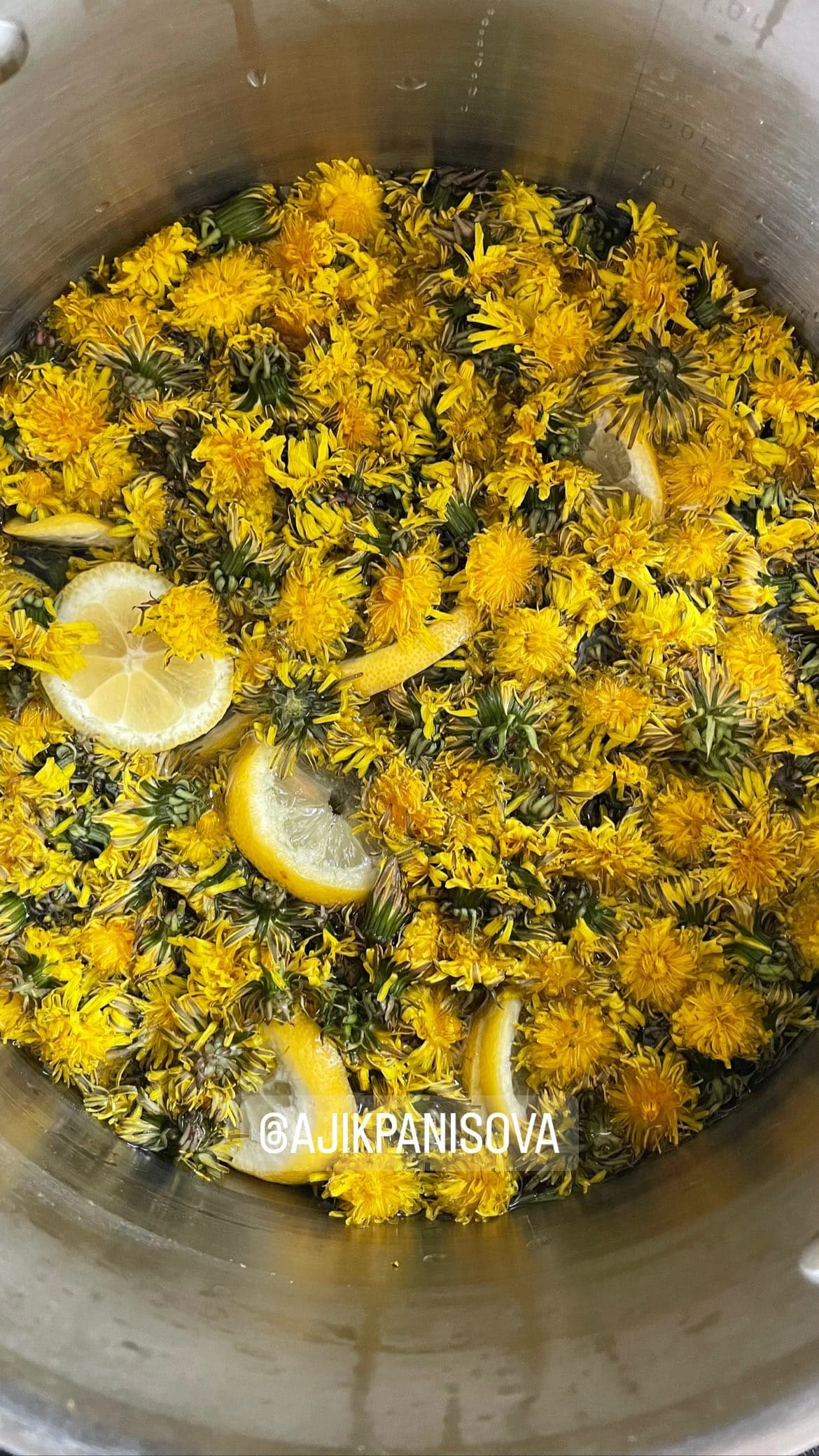
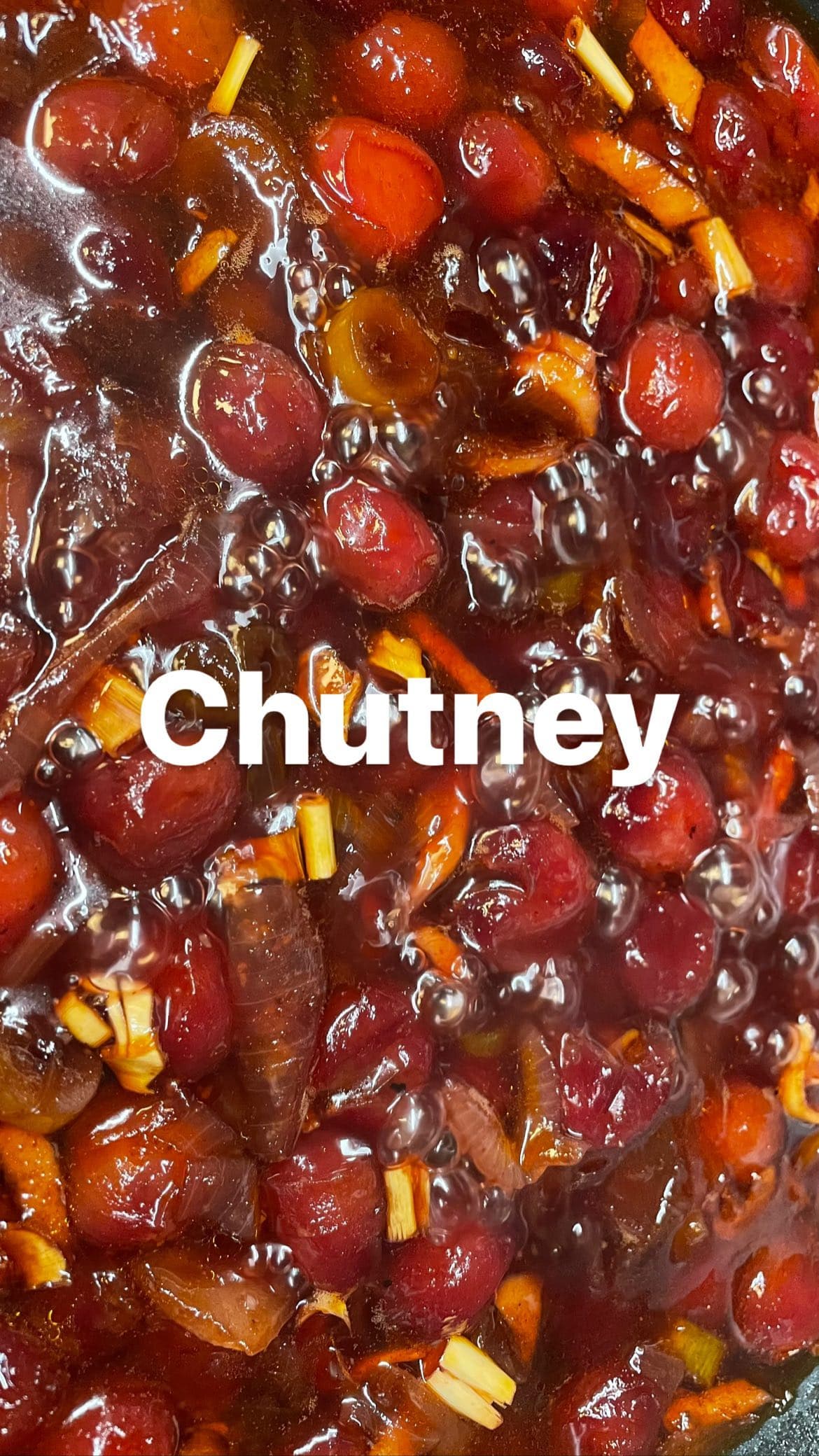
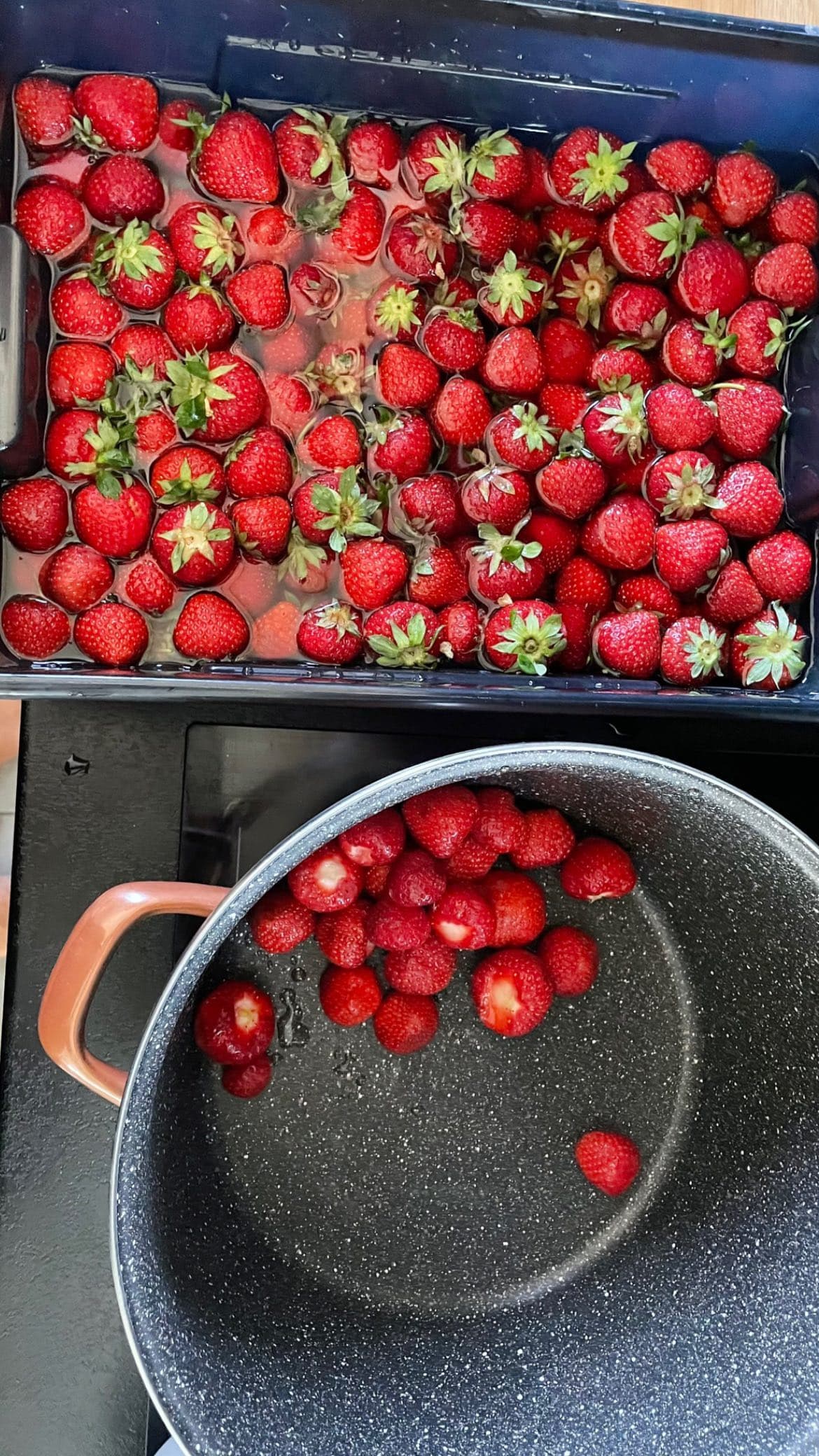
Canning & Preserving
Water bath and pressure canning allow long-term shelf-stable storage. Perfect for tomatoes, fruits, and prepared foods.
- Tomato sauce and passata from abundant harvests
- Fruit jams and preserves
- Chutneys combining multiple garden ingredients
- Compotes for winter desserts
- Shelf-stable for years when done properly
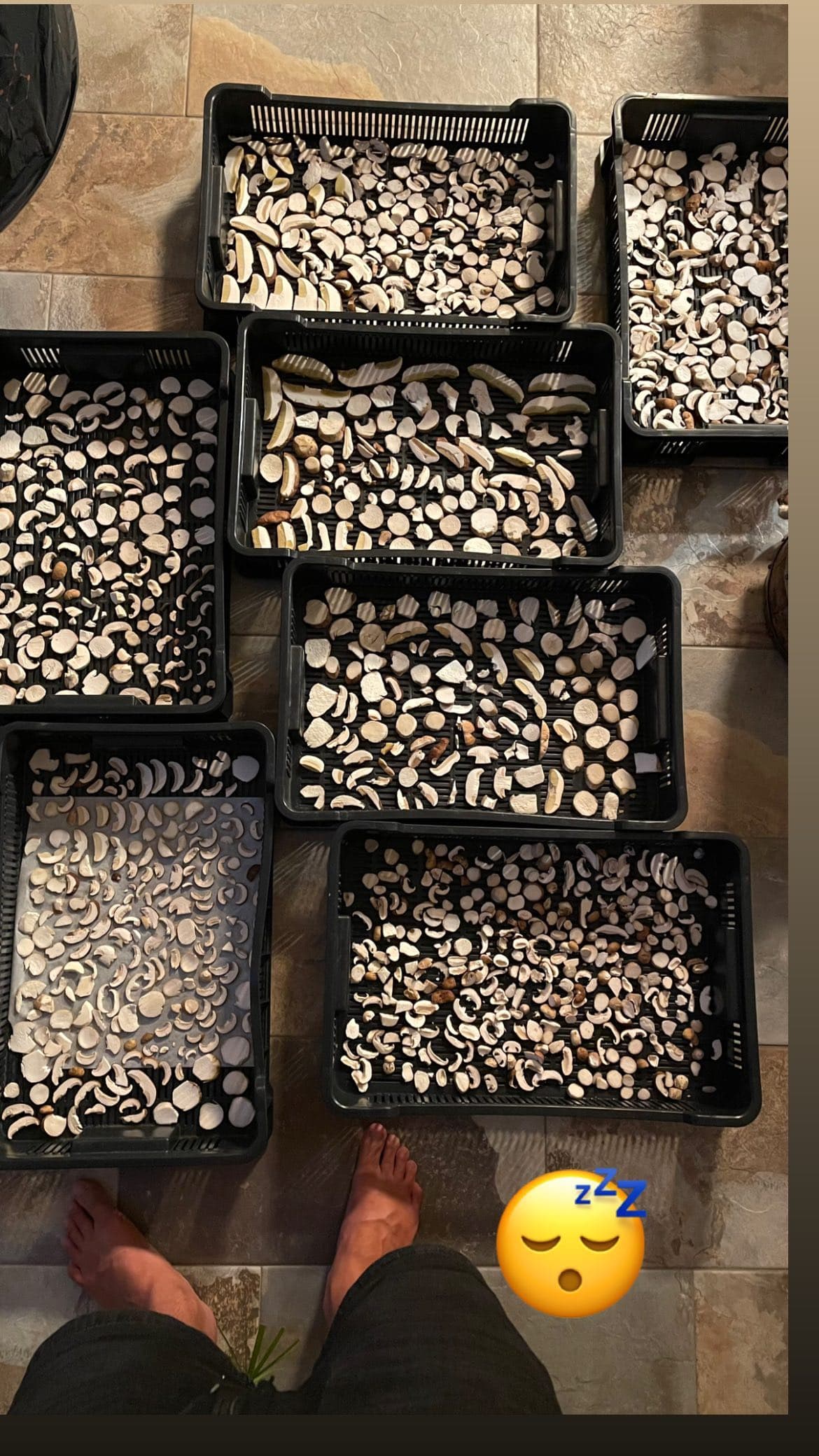
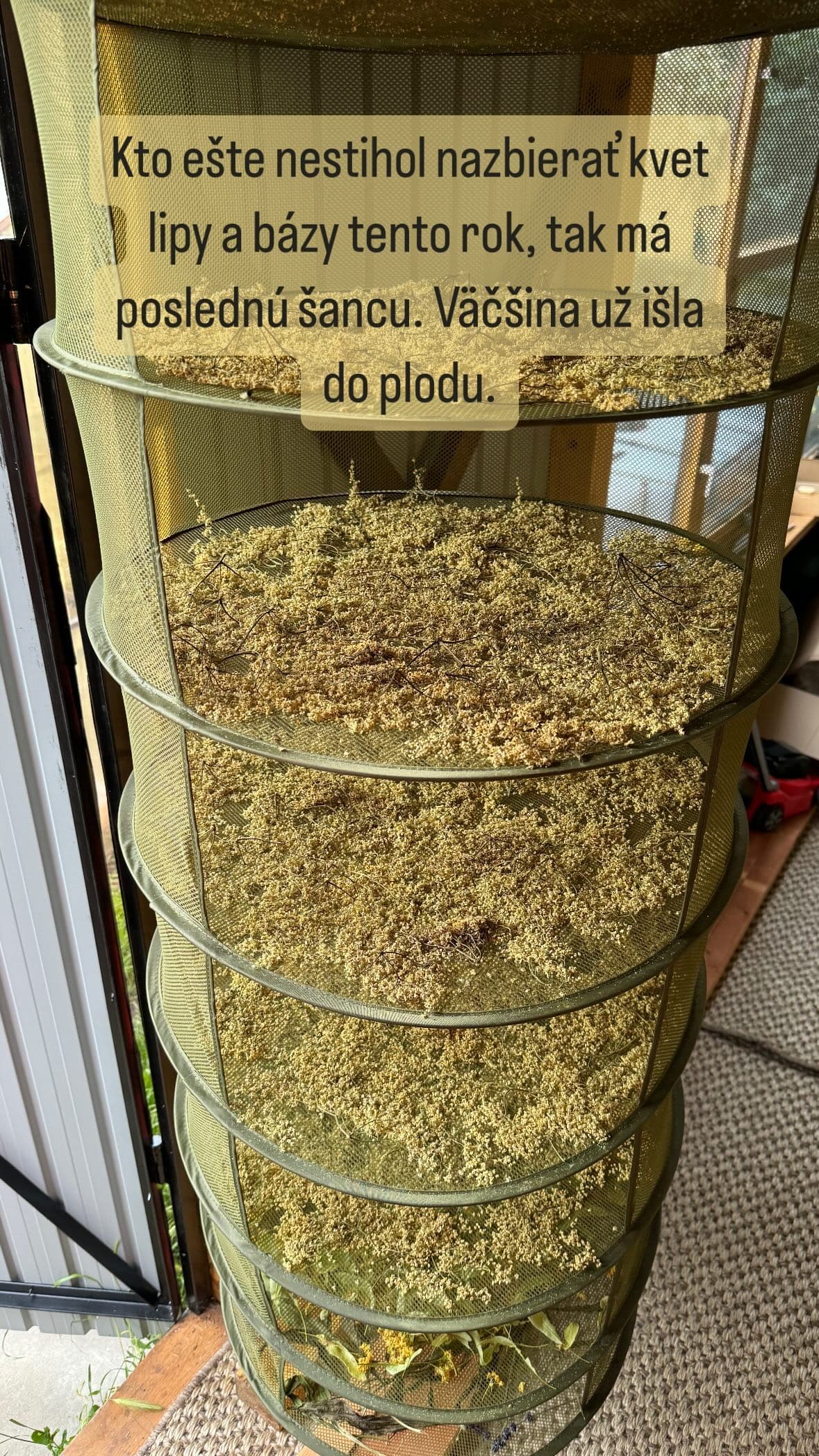
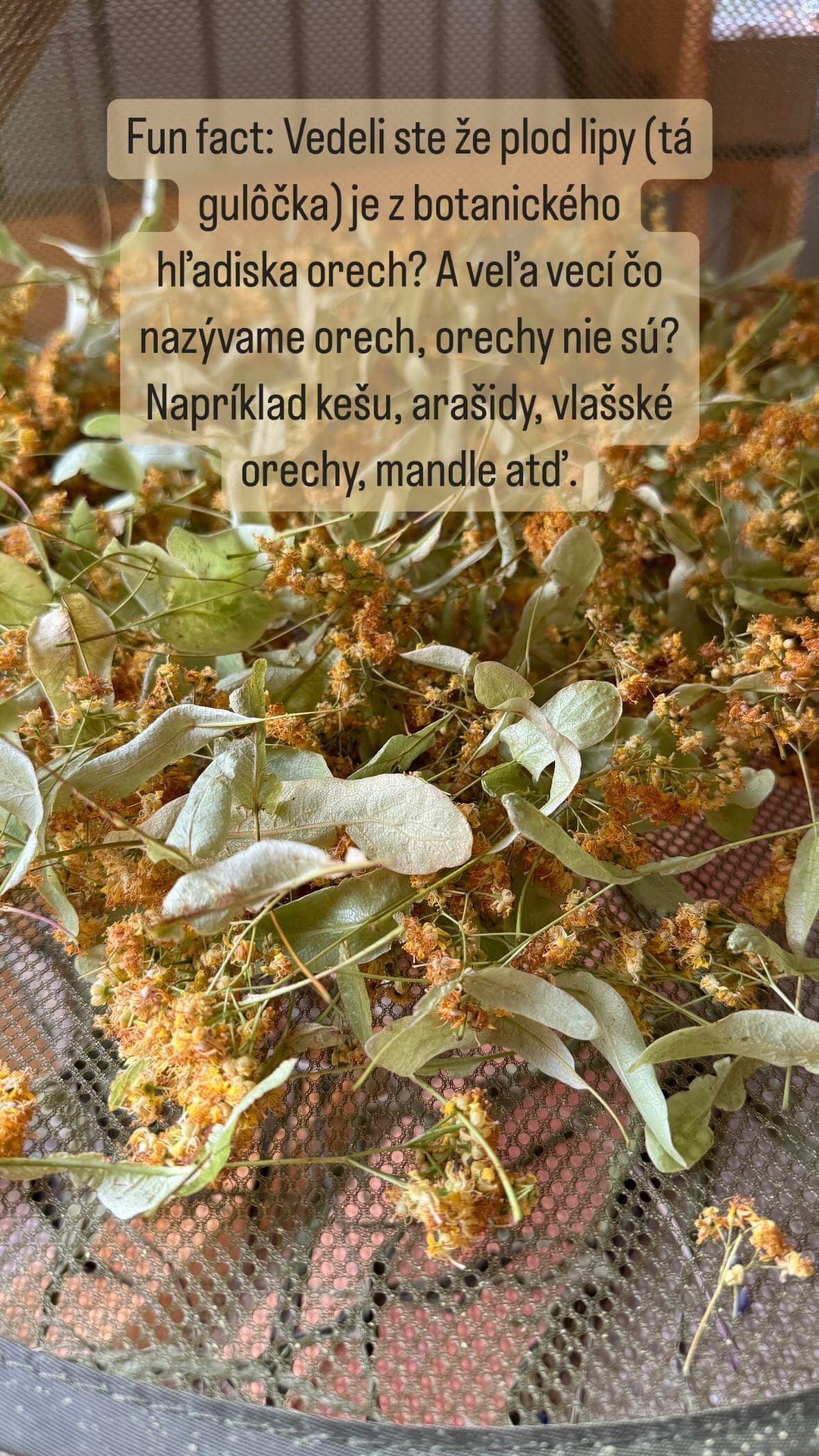
Drying & Dehydrating
Removing moisture concentrates flavors and creates lightweight, long-lasting preserved foods. Works for fruits, vegetables, herbs, and even making fruit leather.
- Dried herbs for teas and cooking
- Fruit leather from surplus fruit
- Sun-dried tomatoes
- Dried apple rings and pear slices
- Minimal storage space, maximum flavor concentration
Root Cellaring
Traditional cold storage using earth's natural insulation. Many vegetables store for months in cool, humid conditions without any processing.
- Potatoes, carrots, beets stored in sand
- Winter squash and pumpkins on shelves
- Apples in ventilated crates
- Onions and garlic hanging in braids
- No energy input required, just proper conditions
Freezing
Modern method that preserves nutrients and flavor exceptionally well. Best for foods that don't can or dry well.
- Berries frozen individually then bagged
- Blanched vegetables for winter cooking
- Pre-made sauces and prepared foods
- Herbs preserved in ice cube trays with oil
Salt & Brine Preservation
Ancient technique using salt to inhibit bacteria while preserving food. Creates unique flavors impossible to replicate with modern methods.
- Salted cucumbers and vegetables
- Brined olives (if growing in suitable climate)
- Salt-cured seasonal greens
- Traditional preservation requiring minimal equipment
♻️ Building a Preservation System
Effective food preservation isn't about one method - it's about having a system that handles everything your garden produces throughout the seasons.
- Plan preservation methods when planning garden
- Stagger plantings for continuous smaller harvests
- Match preservation method to crop characteristics
- Invest in quality jars, fermentation crocks, and drying racks
- Create dedicated cool storage space (root cellar or basement)
- Learn one method well before expanding to others
- Document what works and what doesn't each season
📚 What I've Learned
Years of preserving harvests have taught me practical lessons that only come from hands-on experience:
- Start preserving early in season before overwhelmed by abundance
- Fermentation is most forgiving method for beginners
- Properly preserved food often tastes better than fresh
- Cool, dark storage conditions are worth the investment
- Label everything with contents and date
- Diversity of methods = resilience if one fails
- Preserved food reduces grocery dependence dramatically
- The satisfaction of eating your preserved harvest in February is unmatched
🏗 Technologies & Methods
🌊 Impact
Year-round access to homegrown food reducing dependence on external food systems. Built comprehensive preservation practice that handles entire garden production from summer abundance to winter scarcity. Created true food security through diversified preservation methods.