Food Forest Design: The Seven Layers
Personal Homestead
Creating productive ecosystems that mimic natural forests
🌲 What is a Food Forest?
A food forest is one of the foundational elements of a permaculture garden. It's planting in polyculture – multiple species together – arranged to look and behave like a natural forest, but composed entirely of productive, edible, or useful plants.
📊 The Seven Layers
A mature food forest typically consists of seven distinct layers, each with its own ecological niche and function:
1. Ground Cover Plants
The lowest layer – plants that hug the soil, prevent erosion, suppress weeds, and often fix nitrogen. Examples: clover, strawberries, creeping thyme.
2. Low-Growing Plants
Herbaceous plants and vegetables that grow close to the ground. Examples: lettuce, herbs, medicinal plants.
3. Shrubs
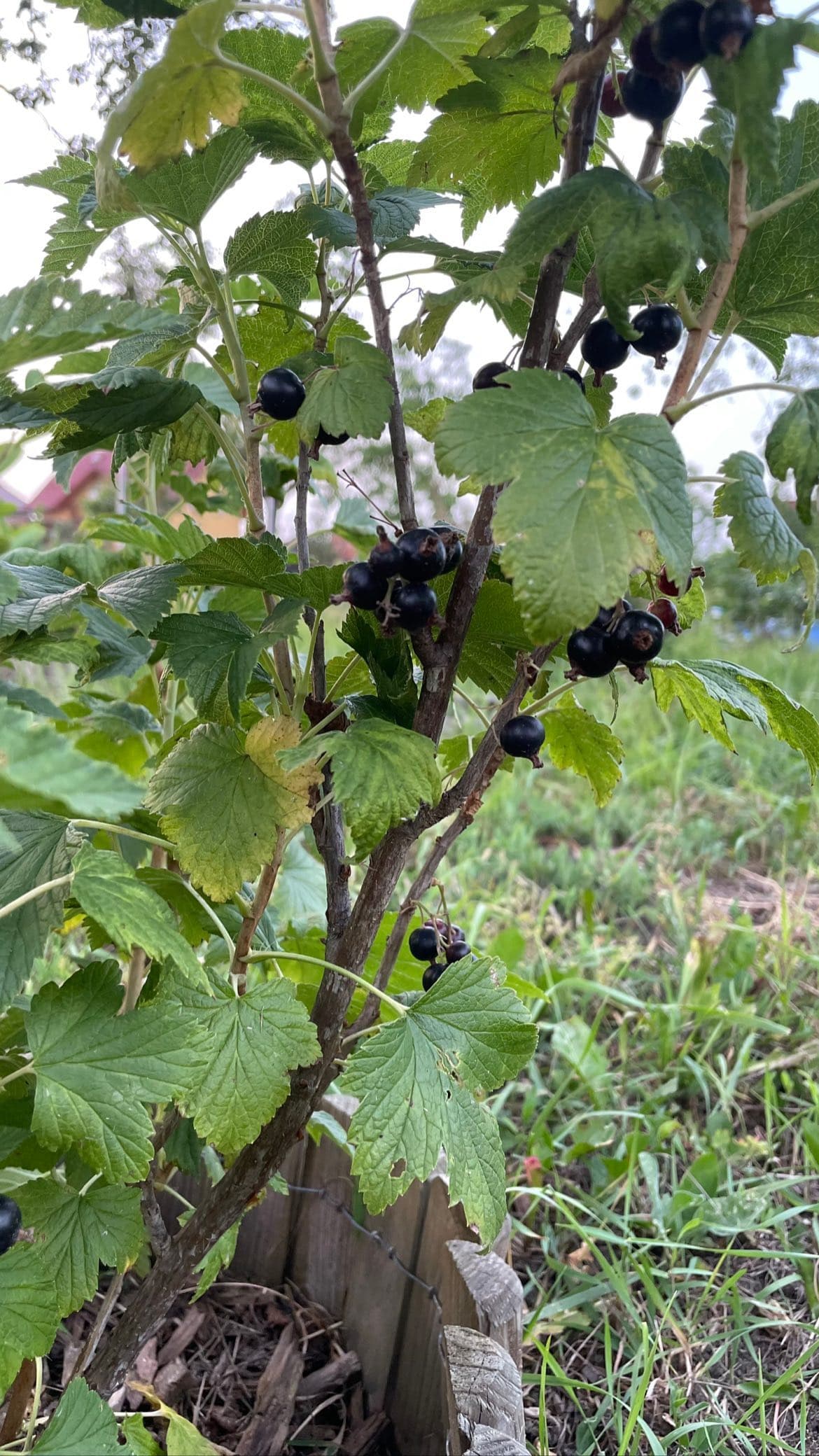
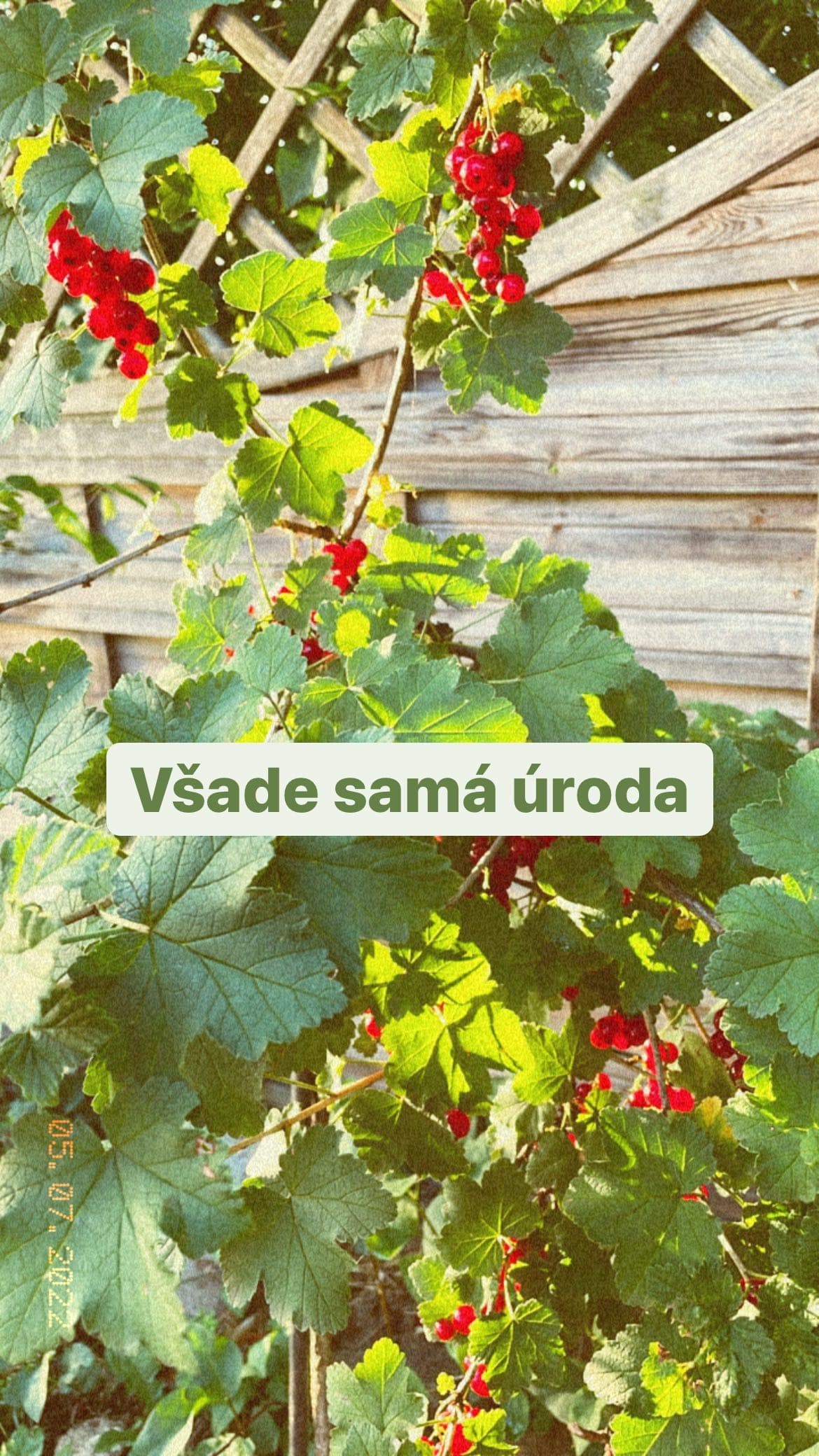
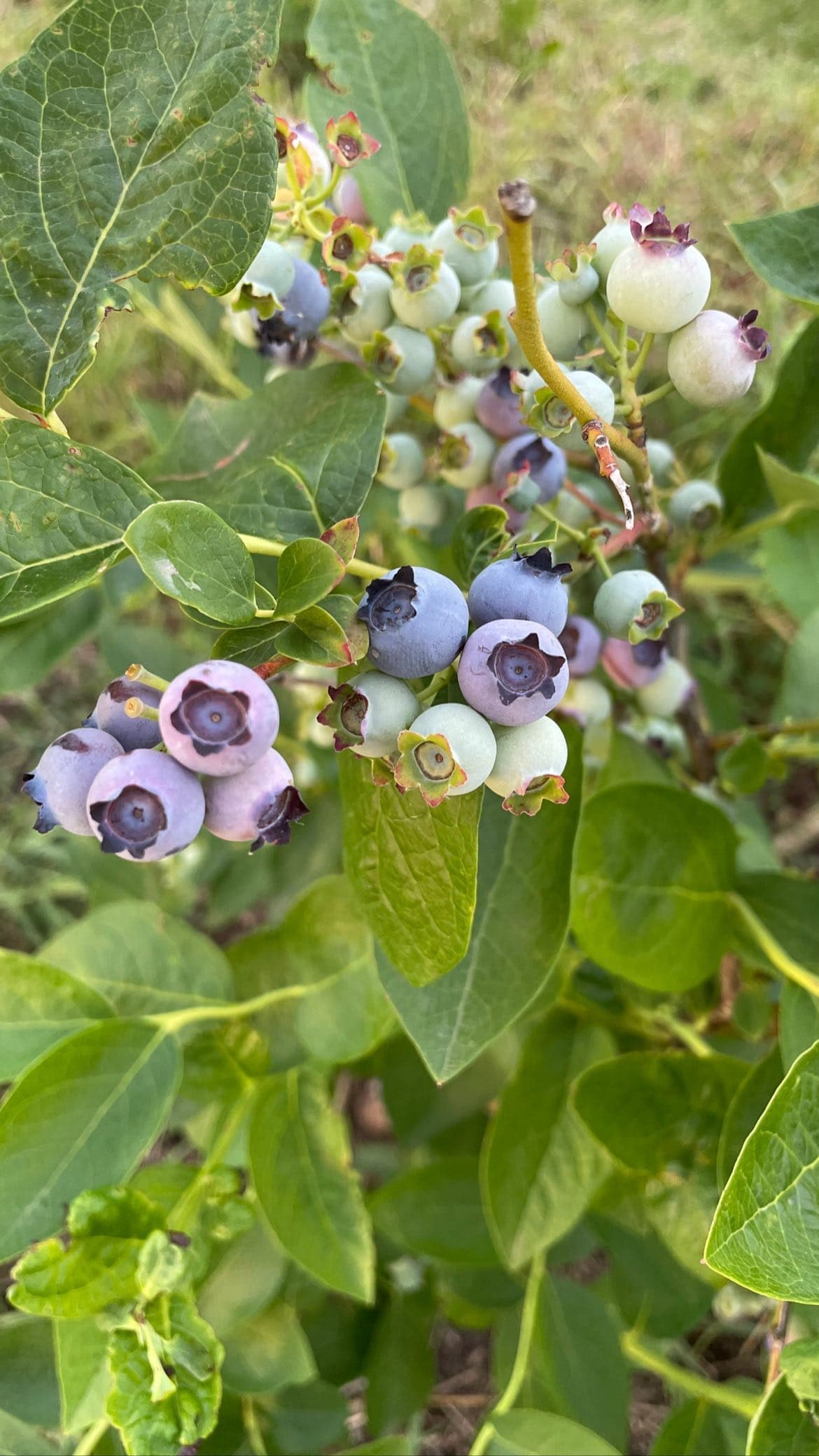
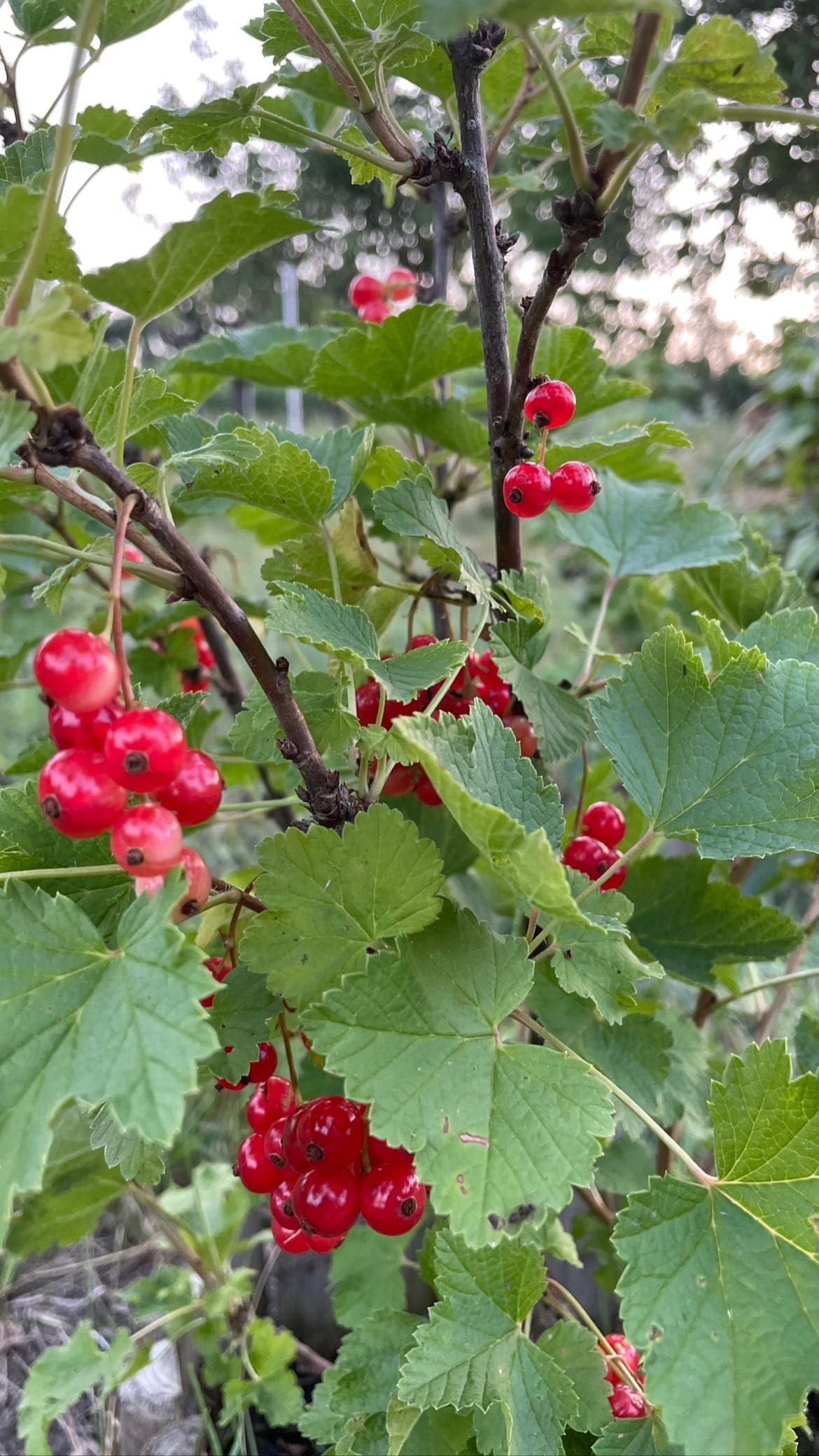
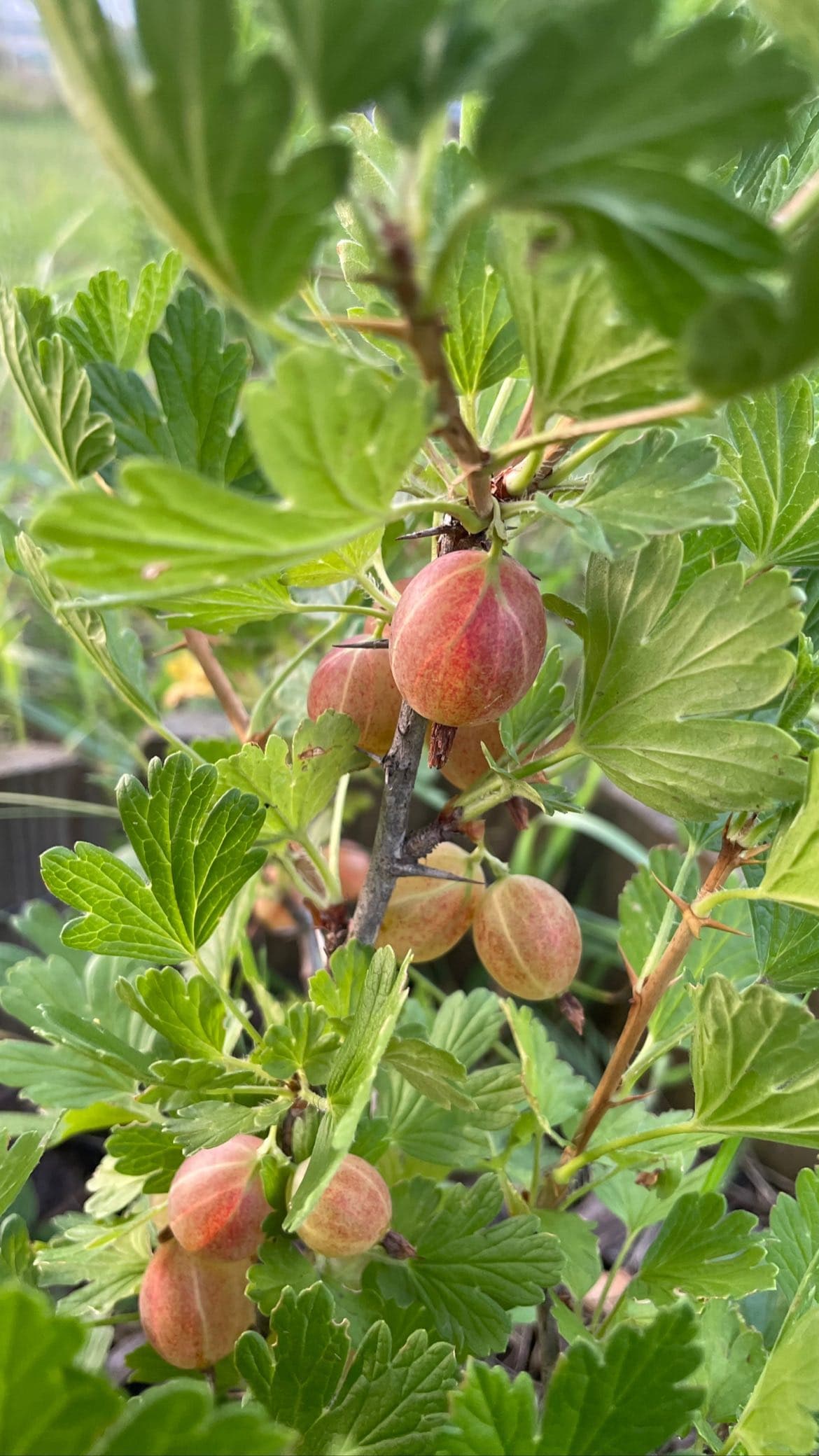
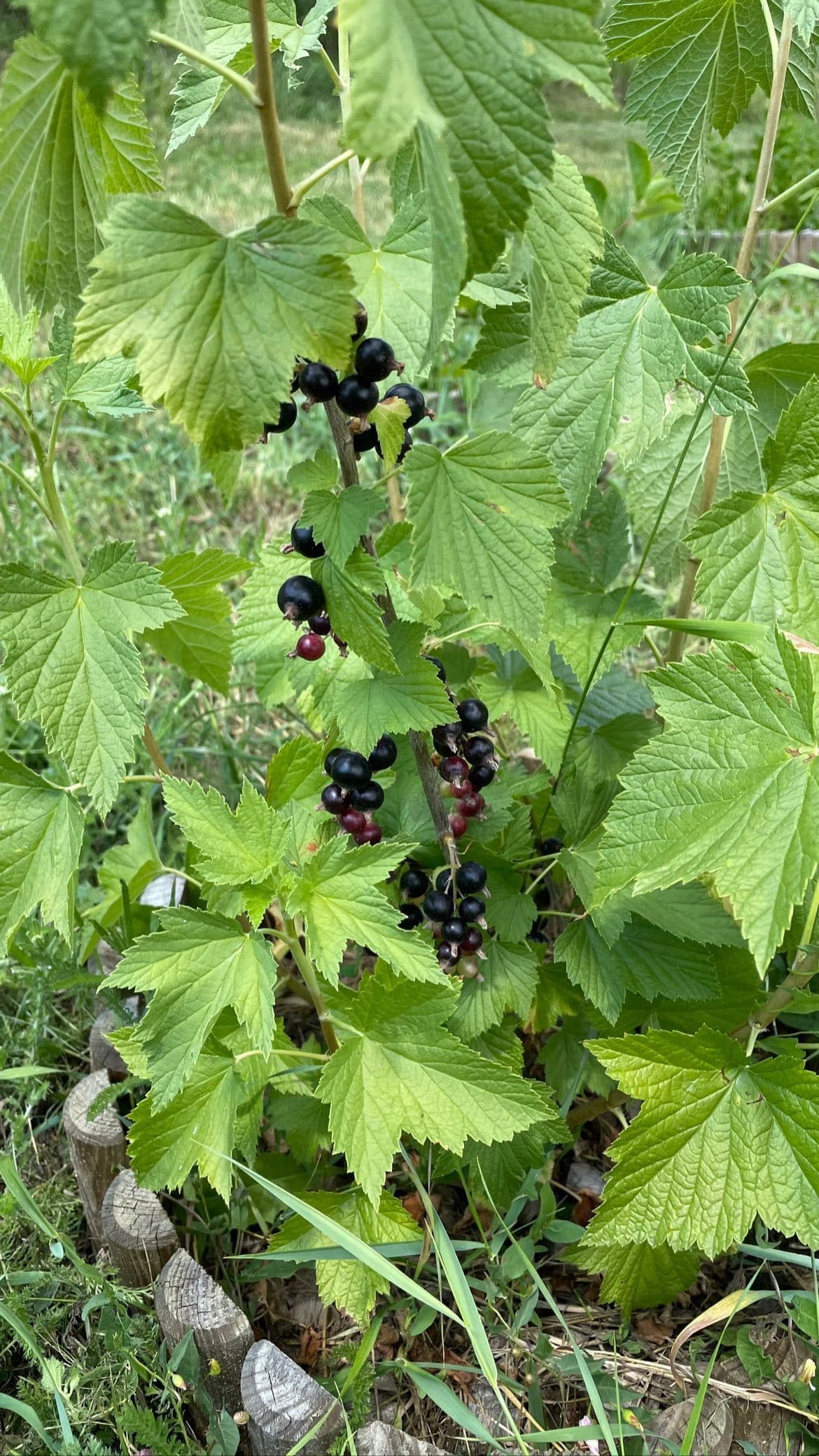
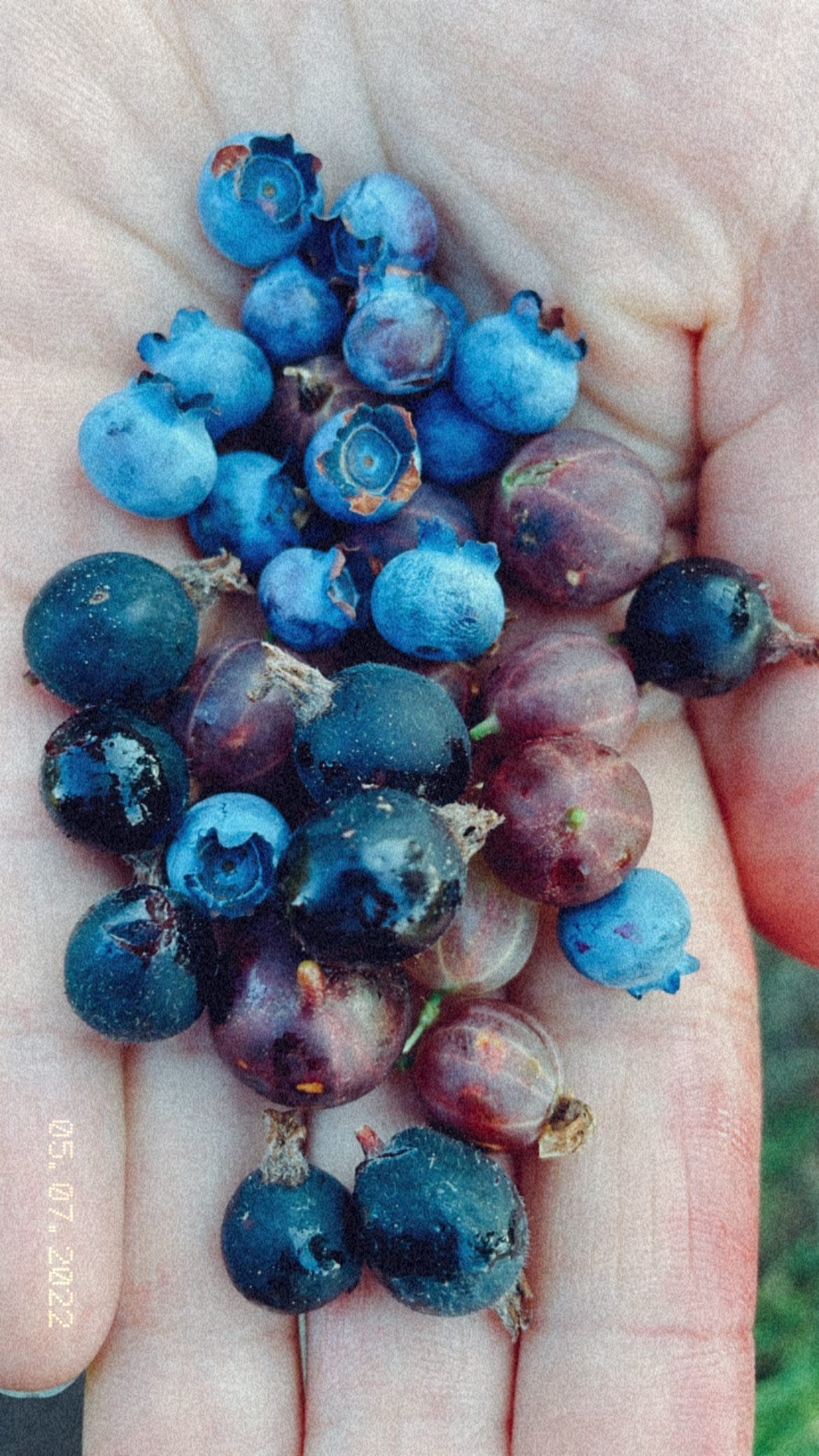
Woody perennials that provide berries, nuts, or other yields. Examples: currants, blueberries, hazelnuts.
4. Small Trees
Dwarf or semi-dwarf fruit trees that don't compete with taller layers. Examples: dwarf apple trees, cherry trees.
5. Tall Trees
The canopy layer – large fruit or nut trees that provide shade and structure. Examples: walnut, chestnut, standard apple varieties.
6. Climbing Plants
Vines that use trees and structures as support. Examples: grapes, kiwi, beans, cucumbers.
7. Root Vegetables
Plants grown for underground yields that don't interfere with above-ground layers. Examples: potatoes, carrots, garlic, Jerusalem artichokes.
♻️ Why Seven Layers Work
Each layer occupies a different niche in space and time. This maximizes productivity per square meter while minimizing competition. The system becomes self-supporting – tall trees provide shade for shade-loving shrubs, ground cover suppresses weeds, nitrogen-fixers feed the soil, deep-rooted plants bring up nutrients.
🍃 Mimicking Natural Patterns
Natural forests are incredibly productive ecosystems that require no human input. They build soil, cycle nutrients, support biodiversity, and persist for centuries. Food forests apply these principles intentionally, selecting species that provide food while maintaining ecosystem functions.
- Self-fertilizing through nitrogen fixation and mulch
- Self-watering through deep-rooted species and mulch retention
- Self-protecting through biodiversity and companion planting
- Self-propagating through perennials and self-seeding
- Resilient to pests and disease through ecosystem balance
🌱 Implementation
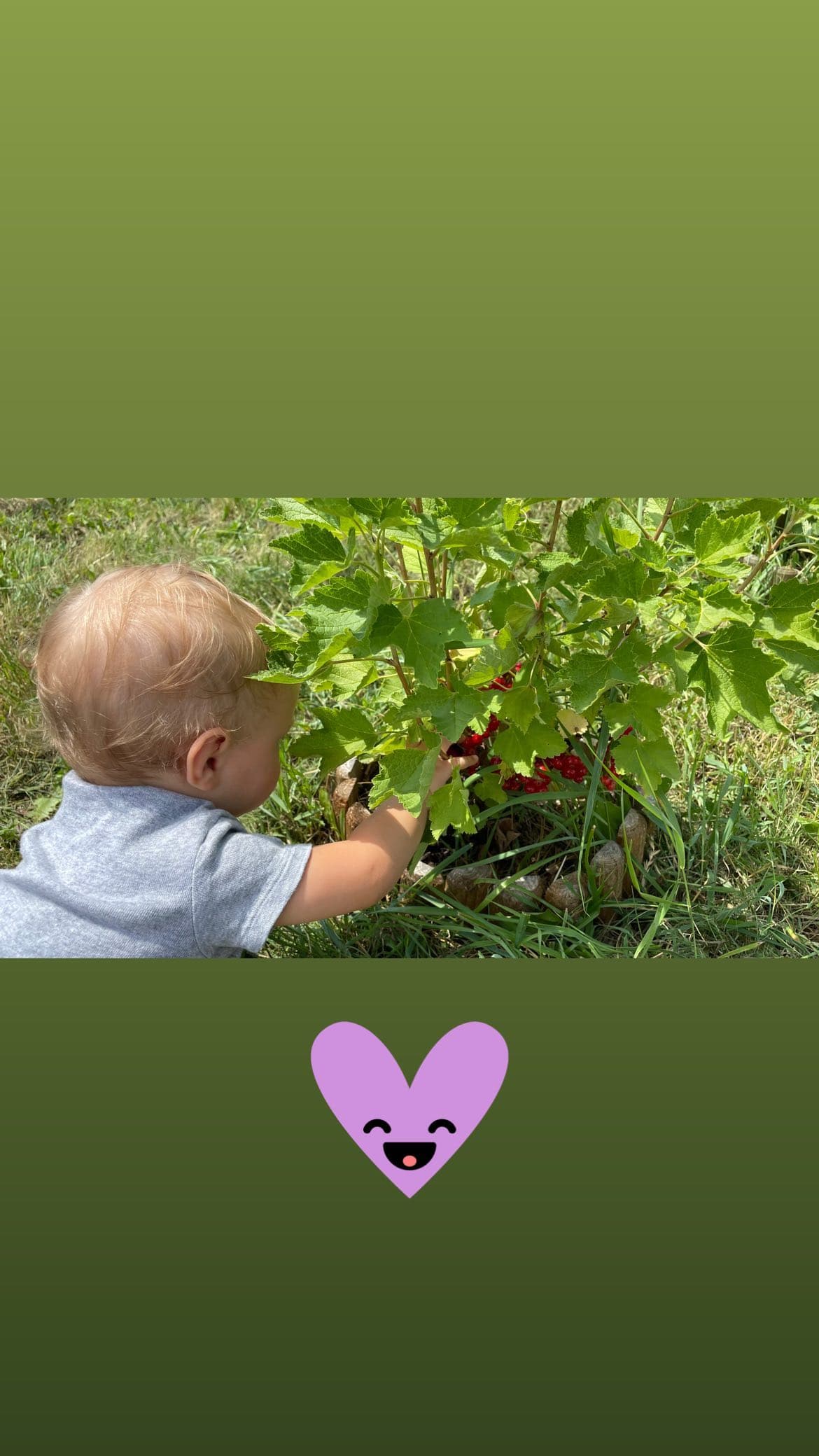
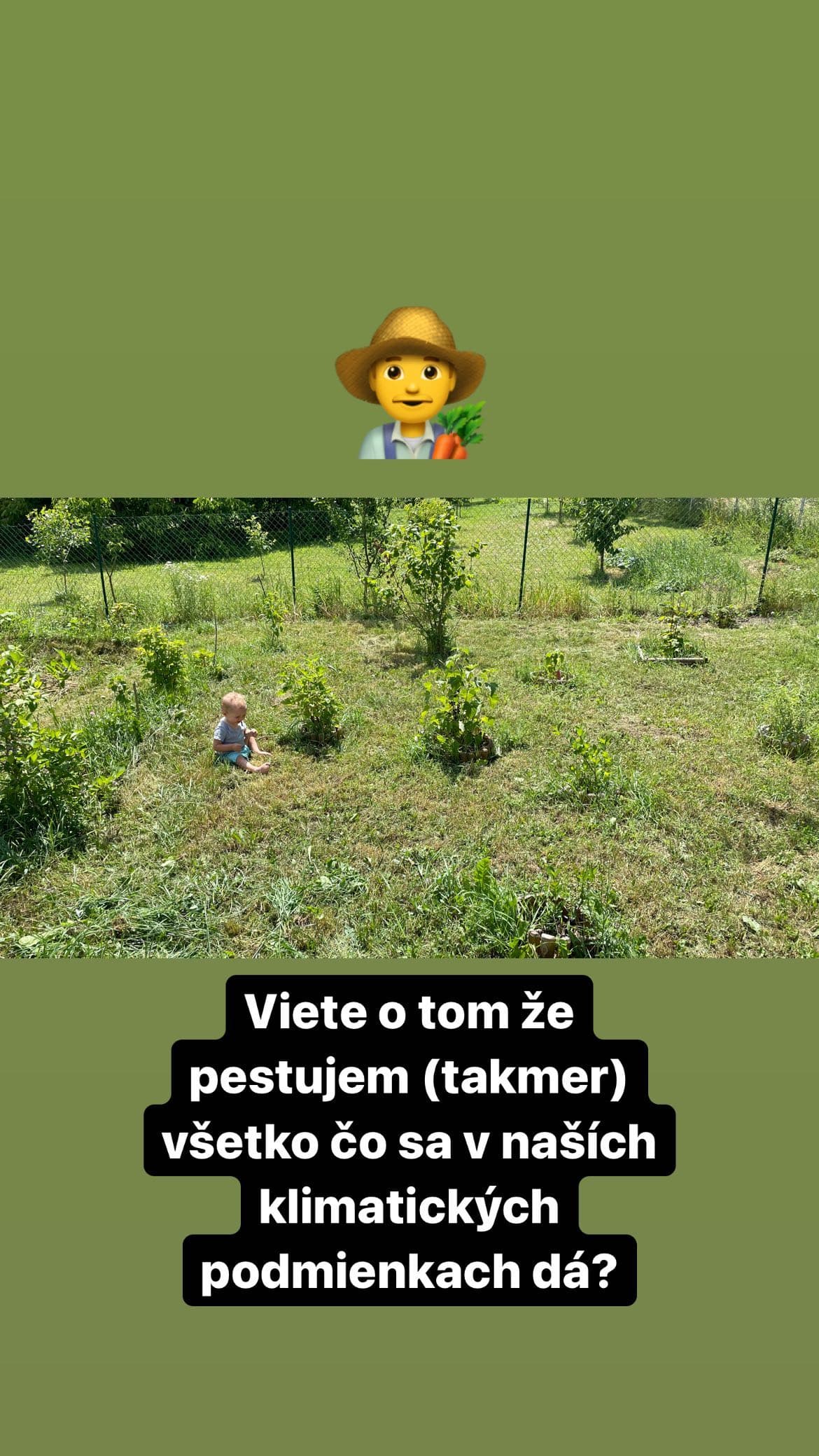
Building a food forest is a long-term project. Trees take years to mature. The system evolves. What I've learned from establishing my own food forest:
- Start with the canopy layer – tall trees take longest to establish
- Add lower layers gradually as trees mature and create microclimates
- Observe water flow, sun patterns, and wind before planting
- Mix fast-yielding annuals with slow-maturing perennials
- Accept that it will look messy compared to conventional gardens
- Plan for succession – what happens when trees get bigger?
- Include edges and paths for access and observation

🏗 Technologies & Methods
🌊 Impact
My food forest has transformed a piece of land into a productive ecosystem. It requires less maintenance each year while yielding more food. It's become a living laboratory for understanding ecological relationships.