Biodiversity Enhancement
Personal Homestead
Creating habitat for beneficial organisms
🌸 True Biodiversity vs Monoculture Thinking
Biodiversity isn't just about having lots of plants - it's about creating habitat for the full spectrum of life. That means insects, birds, amphibians, mammals, fungi, and microorganisms working together in balanced ecosystems.
- Diverse plantings providing food throughout seasons
- Habitat structures (ponds, hedgerows, dead wood, stone piles)
- Elimination of chemical inputs that harm beneficial organisms
- Native plants supporting native insect populations
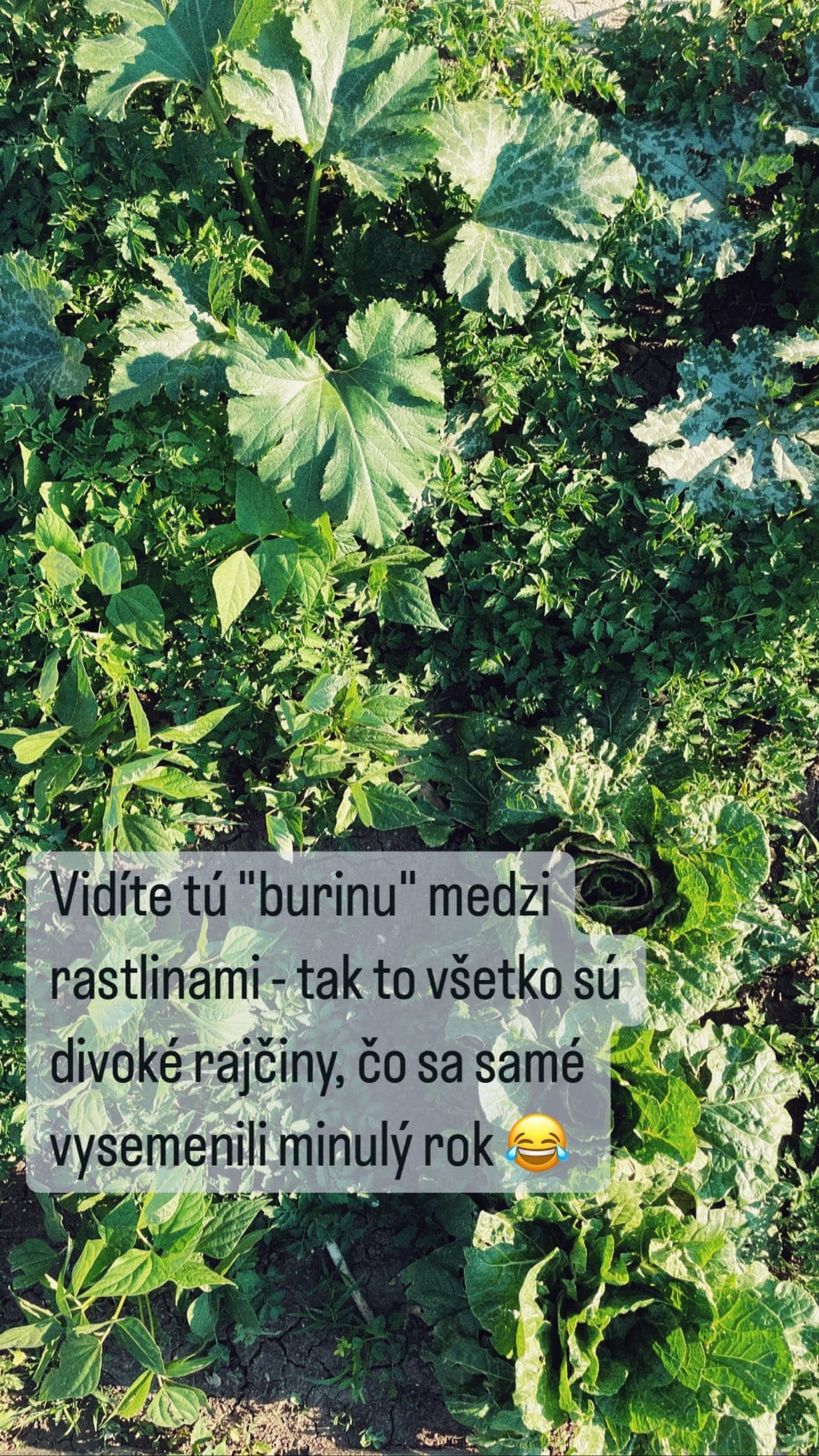
- Allowing 'messy' areas where wildlife can shelter
- Understanding that every creature has its role
🐝 Supporting Native Pollinators
When people think pollinators, they usually think honeybees. But Czech and Slovak regions are home to over 600 species of wild bees, plus bumblebees, butterflies, and countless other pollinators. These native species are far more effective at pollinating many crops than honeybees - and they're struggling.
The Honeybee Overpopulation Problem
Commercial beekeeping has created an unnatural situation. The ideal density is about 2 honeybee colonies per square kilometer. In Czech Republic, the average is 8 colonies per km². Around Brno, it's 16 colonies per km². This overpopulation of non-native honeybees (most are Carniolan bees, not native Black bees which were largely eliminated) creates competition for limited nectar and pollen resources.
- Honeybee hives force bees into unnatural living conditions
- Diseases spread in artificial hive environments
- Chemical treatments required to maintain unhealthy populations
- Massive government subsidies support industrial honey production
- Native pollinators starve while honeybees get fed sugar
What Native Pollinators Need
Instead of adding more honeybee hives, focus on creating habitat for the hundreds of native pollinator species that evolved with local plants over millions of years.
- Diverse flowering plants from early spring to late fall
- Unmowed areas with native wildflowers
- Bare ground and mud for ground-nesting bees
- Dead wood and hollow stems for cavity-nesting species
- No pesticides or herbicides
- Year-round food sources, not just summer abundance
Rethinking Beekeeping
If you want to support pollinators, the best action isn't keeping honeybees - it's creating rich, diverse habitat. Honeybees in hives are livestock, not wildlife. They're efficient honey producers but poor ecosystem partners when overpopulated.
- Natural bee colonies in tree cavities are healthier
- But regulations often prohibit natural colonies
- Wild swarms must be destroyed by law (disease prevention)
- Yet swarming is a sign of healthy colonies
- The system perpetuates artificial, disease-prone hives
🏡 Building Habitat Complexity
Every habitat feature you create becomes home for different species. The more diverse structures you provide, the more diverse life you support.
Water Features
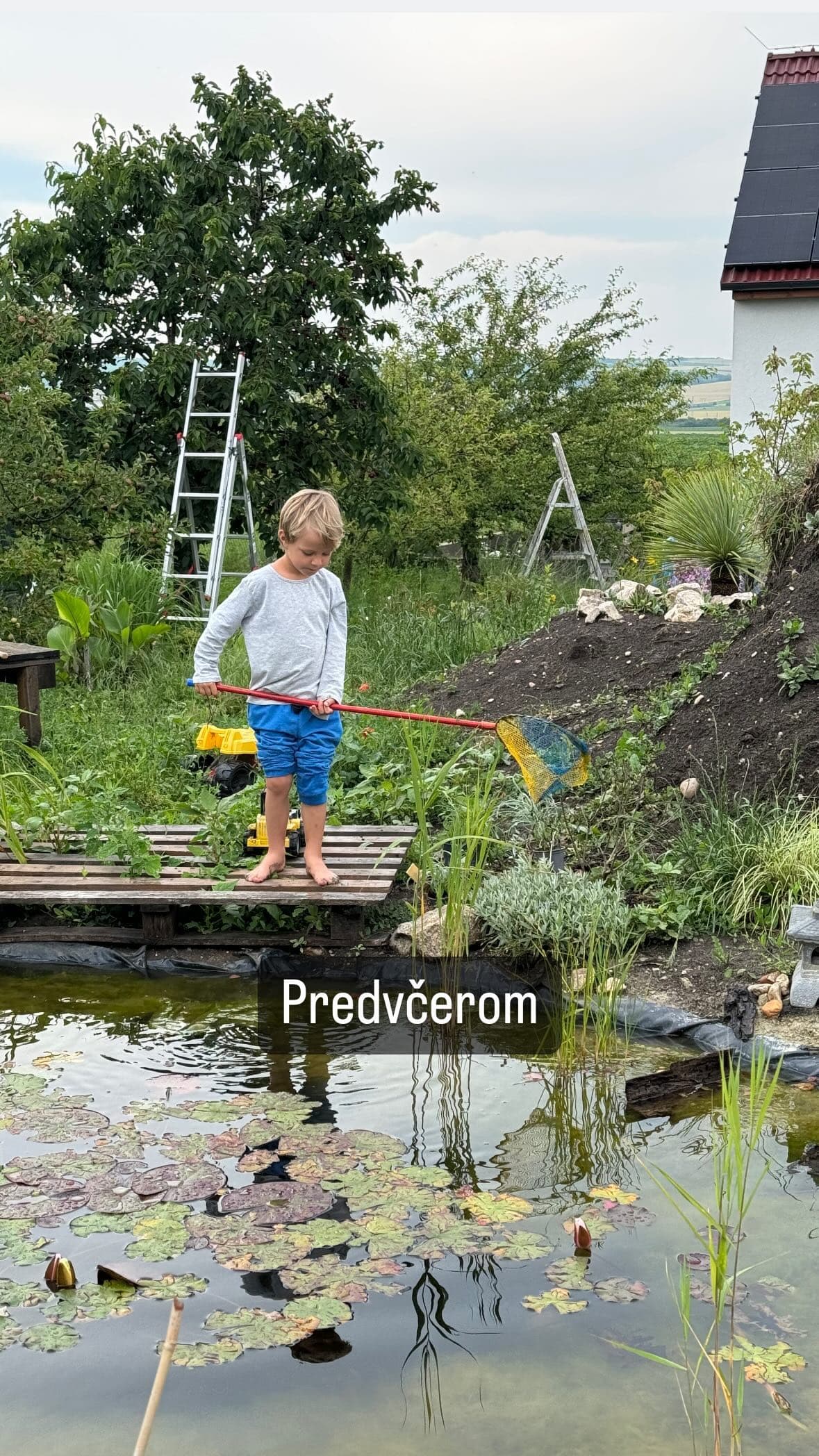
Ponds attract frogs, dragonflies, birds, and countless aquatic insects. Even small water sources become biodiversity hotspots.
Hedgerows and Edges
Mixed hedgerows with native shrubs and trees create corridors for wildlife movement and dense nesting habitat for birds.
Dead Wood
Leave fallen logs, standing snags, and wood piles. They're essential habitat for beetles, fungi, salamanders, and cavity-nesting birds.
Stone and Rock Piles
Lizards, snakes, ground beetles, and small mammals use stone structures for shelter and sunning spots.
📚 What I've Learned
Building biodiversity means letting go of tidy garden aesthetics and understanding that 'weeds' and 'pests' are part of balanced ecosystems:
- The messier corners of the land attract the most life
- Native 'weeds' often support rare specialist insects
- Pest problems diminish as predator populations build
- Birds return when there's year-round food and shelter
- Diversity creates resilience - monocultures create problems
- Most beneficial insects need specific native plants
- True biodiversity takes years to establish
- Commercial beekeeping paradoxically harms wild pollinators
🏗 Technologies & Methods
🌊 Impact
Dramatic increase in beneficial insects, birds, and wildlife improving ecosystem resilience. Created habitat supporting hundreds of native pollinator species rather than adding to honeybee overpopulation. Demonstrated that true biodiversity means diversity of species, not industrial agriculture disguised as conservation.